In today’s rapidly urbanizing world, maintaining indoor air quality has become a pressing concern. As we spend more time indoors, especially in urban environments, the air we breathe can have a profound impact on our health and well-being. However, traditional ventilation methods often lead to significant energy loss, which can be costly and environmentally unsustainable. Energy Recovery Ventilators (ERVs) present a solution to this dilemma by improving indoor air quality without wasting energy. As we advance into 2026, understanding and implementing this technology is more important than ever.
Consider this: you’re in a modern, well-insulated home that keeps your energy bills low. However, this insulation also traps pollutants, allergens, and stale air, impacting your health and comfort. You want fresh air but are hesitant to open windows due to energy loss and external pollutants. This is where ERVs come into play, offering a balanced approach by exchanging indoor and outdoor air while retaining energy.
This article will guide you through the process of installing an Energy Recovery Ventilator in your home or office. We’ll explore why this technology is crucial, dissect the reasons behind poor indoor air quality, and offer a step-by-step guide to installing and optimizing an ERV system. By the end, you’ll understand how to enhance your indoor environment efficiently and sustainably.
Why This Problem Happens / Why This Topic Matters
- Increased Indoor Occupancy: More people are working from home, leading to higher indoor pollution and CO2 levels.
- Tight Building Envelopes: Modern buildings are designed to be energy-efficient but often lack adequate ventilation.
- Health Concerns: Poor air quality can exacerbate allergies, asthma, and other respiratory issues.
- Energy Efficiency Mandates: Stricter regulations demand that homes and buildings maintain energy efficiency while ensuring air quality.
Addressing these issues is vital for maintaining a healthy living environment without compromising on energy efficiency. Implementing an ERV system not only aligns with sustainable living practices but also complies with the latest energy standards.
Step-by-Step Core Guide / Main Solutions
Assess Your Ventilation Needs
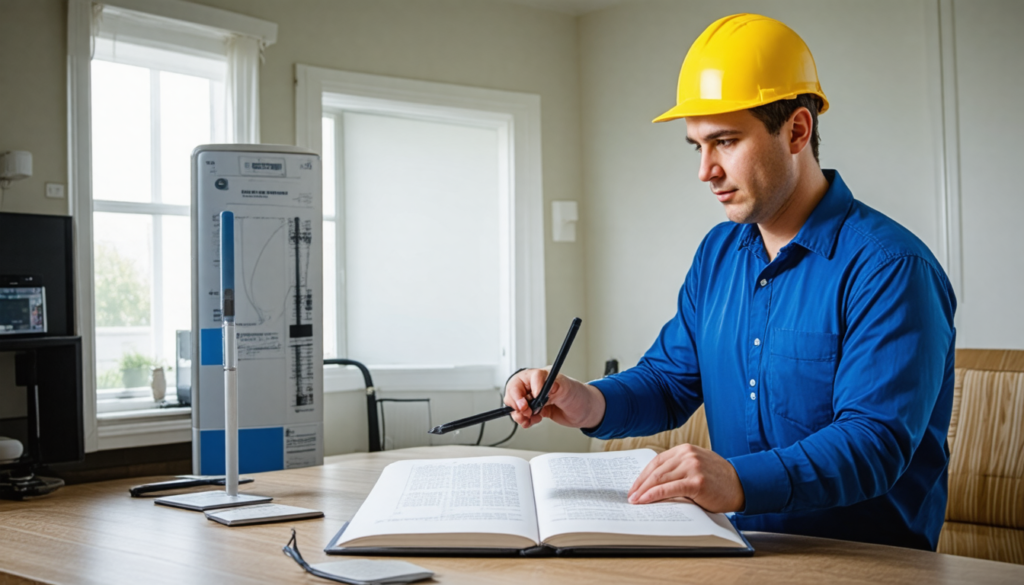
Before installation, evaluate your home’s ventilation requirements. Consider the size of your space, the number of occupants, and existing HVAC systems.
- Why it Works: Tailoring the ERV system to your specific needs ensures optimal performance and energy savings.
- Practical Tip: Use an air quality monitor to assess current conditions and identify ventilation gaps.
Choose the Right ERV Model
Select an ERV model suited to your climate and building type. Models vary in efficiency and capacity.
- Why it Works: Climate-specific models enhance performance by accounting for humidity and temperature variations.
- Pro Tip: Consult with a professional to choose a model that matches your local climate and building specifications.
Plan the Installation Location
Identify the best location for installation, typically near existing ductwork to minimize disruption.
- Why it Works: Proximity to ductwork simplifies installation and reduces costs.
- Practical Tip: Ensure the location is accessible for maintenance and has adequate space for the unit.
Prepare Tools and Materials
Gather necessary tools like duct tape, screws, a drill, and the ERV unit itself.
- Why it Works: Having tools on hand streamlines the installation process.
- Pro Tip: Double-check the manufacturer’s manual for a complete list of required tools.
Install the Ductwork
Connect the ERV to your home’s existing ventilation system using insulated ducts.
- Why it Works: Proper duct installation ensures efficient air exchange and prevents energy loss.
- Practical Tip: Seal joints with mastic or foil tape to prevent leaks.
Mount the ERV Unit
Securely mount the ERV unit as per the manufacturer’s instructions.
- Why it Works: Correct mounting prevents vibrations and noise, enhancing unit longevity.
- Pro Tip: Use vibration isolators if mounting on a wall or ceiling to reduce noise.
Connect Electrical Wiring
Wire the ERV unit to your home’s electrical system, ensuring all connections are secure.
- Why it Works: Proper wiring is crucial for safe and efficient operation.
- Practical Tip: If you’re unfamiliar with electrical work, hire a licensed electrician.
Test the System
Turn on the ERV and check for proper operation, including air exchange and energy recovery.
- Why it Works: Testing ensures the system is working efficiently and identifies any installation errors.
- Pro Tip: Use smoke pencils or incense sticks to visualize air movement.
Program the Settings
Adjust the ERV settings to match your usage patterns and preferences.
- Why it Works: Custom settings maximize efficiency and comfort.
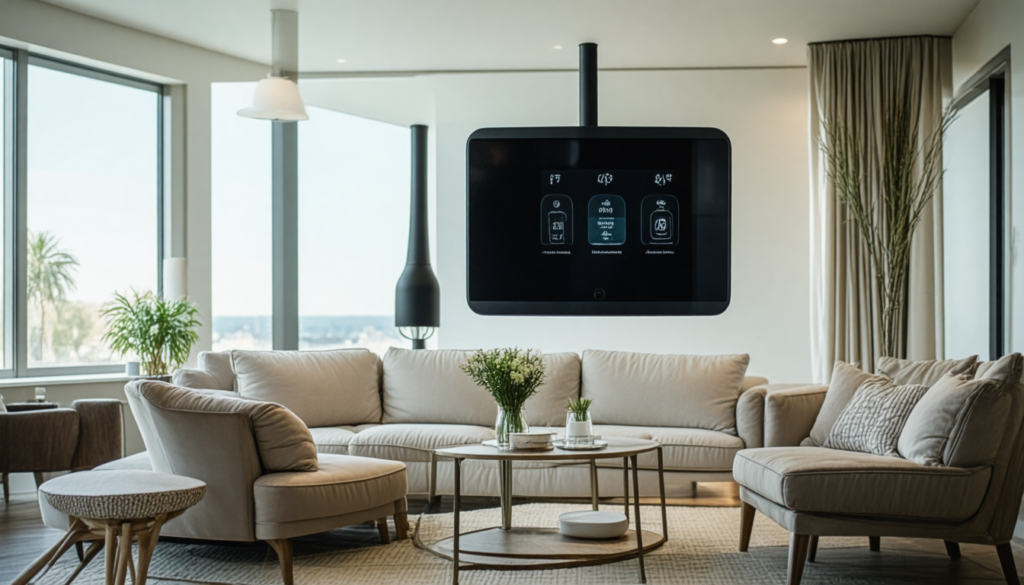
- Practical Tip: Utilize smart controls or timers for automated operation.
Advanced Optimization / Expert Tips
- Integrate with Smart Home Systems: Connect your ERV to smart home devices for enhanced control and monitoring.
- Seasonal Adjustments: Modify settings based on seasonal changes to maintain optimal performance.
- Regular Maintenance Alerts: Use smart systems to schedule maintenance reminders, ensuring consistent operation.
Long-Term Maintenance / Best Practices
- Regularly clean or replace filters.
- Inspect ductwork for leaks or damage.
- Schedule annual professional inspections.
- Monitor indoor air quality regularly.
- Adjust settings as needed for lifestyle changes.
Frequently Asked Questions
What is an Energy Recovery Ventilator (ERV)?
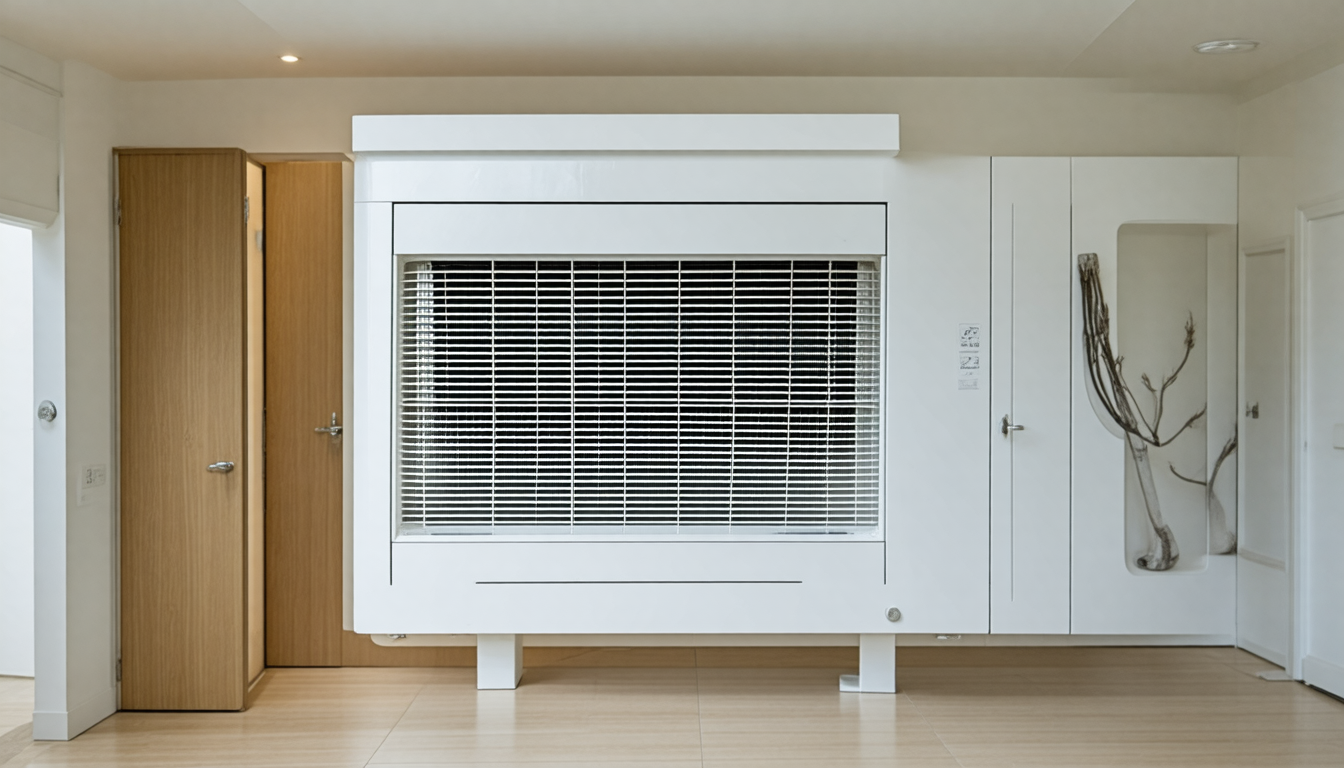
An ERV is a system that exchanges indoor and outdoor air while retaining energy, providing fresh air circulation without significant energy loss.
How does an ERV improve air quality?
ERVs remove stale air and pollutants from indoors while introducing fresh air, improving air quality by reducing allergens and CO2 levels.
Can I install an ERV myself?
While some may find DIY installation feasible, professional installation is recommended to ensure proper setup and efficiency.
Are ERVs suitable for all climates?
Yes, but it’s essential to choose a model that matches your specific climate conditions for optimal performance.
How often should ERV filters be replaced?
Filters should typically be replaced every 3 to 6 months, but frequency can vary based on usage and air quality.
Conclusion
Investing in an Energy Recovery Ventilator is a forward-thinking decision that enhances indoor air quality while maintaining energy efficiency. By following the steps outlined in this guide, you can transform your living or working environment into a healthier, more sustainable space. Regular maintenance and optimization will ensure that your ERV system remains effective well into the future. Embrace this technology to breathe easier and live better in the years to come.