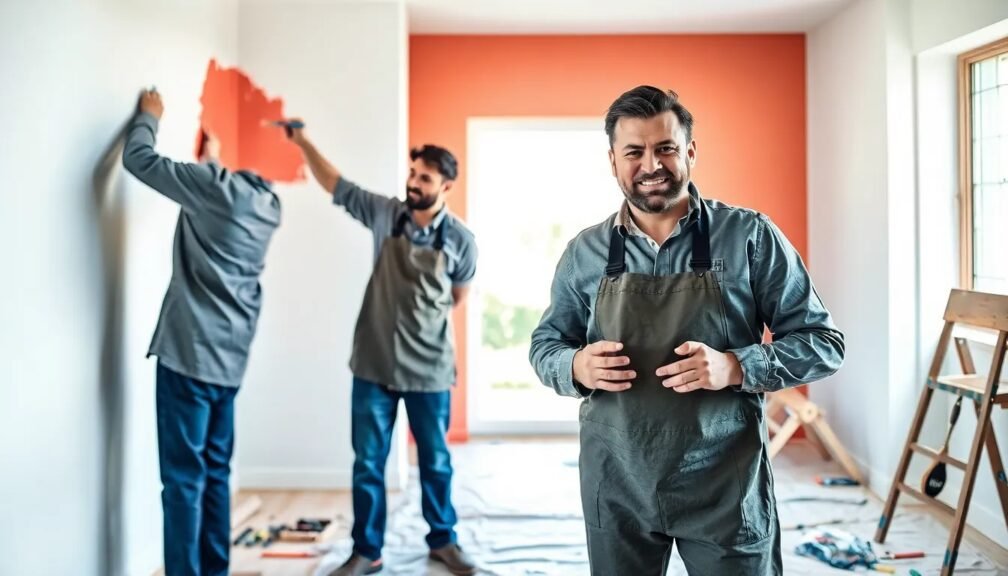
In the ever-evolving world of home design, embarking on a whole-home renovation can feel like a daunting task. With trends shifting rapidly, especially in 2026, homeowners are often overwhelmed by the magnitude of decisions required. Planning every detail of your renovation roadmap before any construction begins is crucial to ensure a smooth and successful transformation. Imagine the frustration of halted projects, unexpected costs, and the chaos of living in a construction zone longer than anticipated. These are common scenarios faced by many homeowners who dive into renovations without a solid plan.
In real-life scenarios, people often find themselves halfway through a project only to realize they’ve exceeded their budget or haven’t thought through the layout changes. It’s not uncommon to hear horror stories of kitchen islands that don’t fit or bathroom vanities that clash with the intended aesthetic. You’re not alone if you’ve ever felt paralyzed by the choices or unsure where to start.
However, there’s hope. By taking a step-by-step approach to create a comprehensive remodeling roadmap, you can transform your home efficiently and with minimal stress. This guide will walk you through each phase of the planning process, promising actionable solutions and expert insights that will make your renovation project not only feasible but enjoyable.
As we look towards 2026 and beyond, integrating smart technology, sustainable materials, and future-proof designs are more important than ever. This article will provide you with the tools to navigate these trends effectively, ensuring your renovation is both modern and timeless.
Why This Problem Happens / Why This Topic Matters
- Lack of Planning: Many homeowners skip the detailed planning phase, leading to mid-project changes and increased costs.
- Budget Underestimation: Failing to account for unexpected costs can derail a renovation.
- Trend Overload: With rapid shifts in design trends, making cohesive choices becomes overwhelming.
- Inadequate Space Utilization: Misjudging space can lead to functional and aesthetic issues.
- Technological Advances: Keeping up with smart home integration poses challenges for many.
- Environmental Concerns: Sustainable materials and eco-friendly practices are now a priority but require careful planning.
Step-by-Step Core Guide / Main Solutions
Define Your Goals and Priorities
Start by clarifying what you aim to achieve with your renovation. Are you looking to increase your home’s value, improve functionality, or simply refresh outdated spaces? Prioritizing your goals will guide all subsequent decisions.
Why it works: Clear objectives streamline decision-making and prevent scope creep.
Pro Tip: Use digital tools like Homestyler to visualize potential designs and layouts.
Set a Realistic Budget
Determine how much you can afford to spend and allocate funds to each area of your renovation. Be sure to include a contingency fund for unexpected expenses.
Why it works: A detailed budget helps avoid financial strain and keeps the project on track.
Pro Tip: Consider using budgeting apps like CoConstruct to keep track of expenses in real-time.
Conduct Thorough Research
Research current trends, materials, and technologies. Visit showrooms, attend home expos, and consult online resources to gather ideas and inspiration.
Why it works: Being informed helps you make decisions that are both trendy and timeless.
Pro Tip: Follow design influencers on platforms like Instagram or Pinterest for up-to-date inspiration.
Develop a Detailed Plan
Create a comprehensive plan that outlines every aspect of the renovation, from design to materials to timelines. Collaborate with architects or designers if necessary.
Why it works: A detailed plan minimizes surprises and ensures all stakeholders are aligned.
Pro Tip: Use project management software like Trello or Asana to organize tasks and timelines.
Hire the Right Professionals
Select qualified contractors and designers based on credentials, reviews, and past work. Ensure they are aligned with your vision and budget.
Why it works: Experienced professionals bring expertise and efficiency to your project.
Pro Tip: Conduct interviews and check references to ensure a good fit.
Obtain Necessary Permits
Check with local authorities about required permits. Ensuring compliance with regulations can prevent legal issues and project delays.
Why it works: Legal compliance protects you from fines and ensures safety standards.
Pro Tip: Start this process early, as obtaining permits can be time-consuming.
Choose Quality Materials
Opt for durable and sustainable materials that suit your design aesthetic and climate conditions.
Why it works: Quality materials extend the lifespan of renovations and enhance home value.
Pro Tip: Invest in eco-friendly options like recycled wood or energy-efficient windows.
Plan for Smart Home Integration
Consider integrating smart home technology to enhance convenience and efficiency. Plan for wiring and device placement early in the process.
Why it works: Smart technology adds modern convenience and can increase property value.
Pro Tip: Consult with smart home specialists to future-proof your home.
Create a Flexible Timeline
Establish a realistic timeline that accommodates potential delays. Communicate this with all parties involved to manage expectations.
Why it works: Flexibility reduces stress and allows for adjustments as needed.
Pro Tip: Buffer your timeline by including extra days for each phase.
Prepare for Temporary Living Arrangements
Plan where you and your family will stay during major phases of construction. This minimizes disruption to daily life.
Why it works: Having a contingency living plan prevents stress during intense renovation periods.
Pro Tip: Consider short-term rentals or staying with family to avoid construction chaos.
Monitor Progress Regularly
Stay involved by regularly visiting the site, attending meetings, and reviewing progress with your contractor.
Why it works: Active involvement ensures the project remains aligned with your vision.
Pro Tip: Use construction monitoring apps like Buildertrend to stay updated on progress.
Advanced Optimization / Expert Tips
- Energy Efficiency: Invest in solar panels and energy-efficient appliances to reduce long-term costs and environmental impact.
- Future-Proofing: Design adaptable spaces that can evolve with your family’s needs, such as multi-functional rooms.
- Incorporate Biophilic Design: Enhance well-being by integrating natural elements like indoor plants and large windows for natural light.
Long-Term Maintenance / Best Practices
- Schedule regular inspections for structural integrity.
- Maintain a consistent cleaning routine to preserve finishes.
- Update technology systems regularly to keep them functional.
- Reevaluate space utilization every few years to adapt to lifestyle changes.
- Keep a record of renovations for future reference or resale.
Frequently Asked Questions
What is the first step in planning a whole-home renovation?
The first step is to define your goals and priorities. This will guide all other decisions and ensure your renovation aligns with your vision.
How do I estimate a realistic renovation budget?
Research average costs for similar projects, include a contingency fund, and use budgeting apps to track expenses and prevent overspending.
Why is obtaining permits important for home renovations?
Permits ensure your renovation complies with local building codes and safety standards, preventing legal issues and potential fines.
How can I integrate smart technology into my renovation?
Plan for smart technology early in your design phase. Consult with specialists to determine wiring needs and ideal device placement.
What are some sustainable materials to consider for renovations?
Consider recycled wood, bamboo flooring, and energy-efficient windows to enhance sustainability and reduce environmental impact.
Conclusion
Embarking on a whole-home renovation is a significant undertaking, but with a structured plan, the process can be both rewarding and transformative. By following the steps outlined in this guide, you’ll not only create a beautiful and functional living space but also increase the value and sustainability of your home. Remember, successful renovations require careful planning, regular monitoring, and continuous maintenance. Embrace the journey and look forward to enjoying your newly transformed home for years to come.