In the ever-evolving world of landscape architecture, the need for stable, aesthetically pleasing, and environmentally friendly solutions is more critical than ever. Retaining walls have emerged as crucial elements in both residential and commercial landscapes, playing a pivotal role in preventing soil erosion and enhancing landscape stability. As we navigate through 2026, the demand for professional retaining wall contractors is on the rise, driven by the increasing awareness of sustainable practices and climate change impacts.
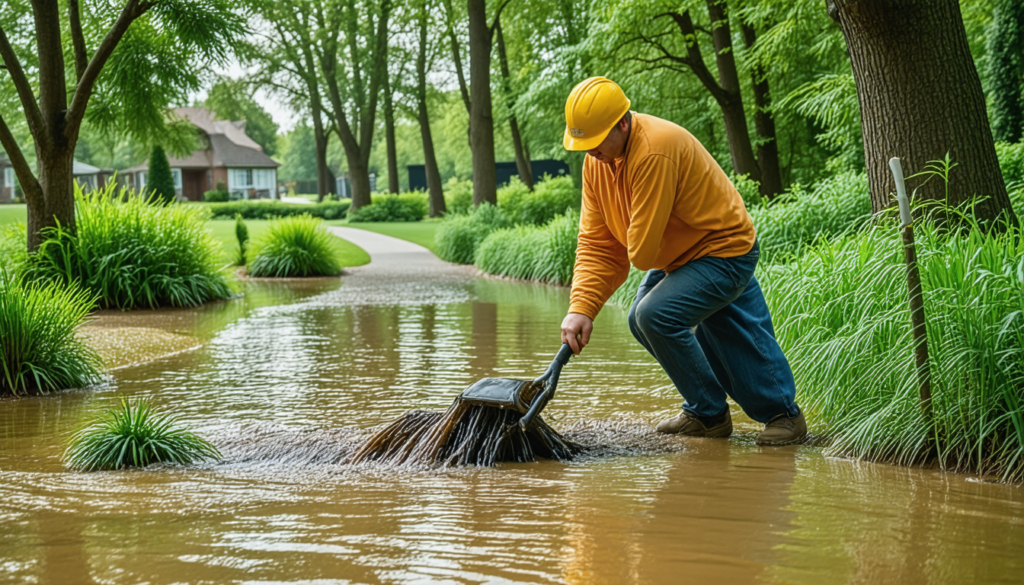
Imagine a homeowner waking up to find their beautifully landscaped yard slowly eroding away with each passing rainstorm. Or consider a business owner whose commercial property is at risk due to unstable slopes. These scenarios are all too common, and they underscore the urgent need for effective erosion control solutions. Retaining walls offer a practical and long-term answer to these challenges, providing both functional and aesthetic benefits.
This article will guide you through actionable, step-by-step solutions to effectively utilize retaining walls for erosion prevention and landscape stability. Whether you’re a homeowner, a business owner, or a landscape professional, understanding the intricacies of retaining walls is vital in 2026 and beyond.
Why This Problem Happens / Why This Topic Matters
- Soil Erosion: Heavy rainfall and improper drainage can lead to significant soil displacement.
- Climate Change: Increasingly severe weather patterns heighten the risk of soil erosion and landscape instability.
- Urban Development: Construction and land development can destabilize natural slopes, necessitating engineered solutions.
- Aesthetic Value: A well-designed retaining wall can enhance the visual appeal of a property, adding value and curb appeal.
- Environmental Impact: Properly constructed retaining walls contribute to sustainable landscape management practices.
Understanding these factors is crucial as they influence design, material selection, and construction methods for retaining walls.
Step-by-Step Core Guide / Main Solutions
Assess Your Needs and Site Conditions
Evaluating your landscape’s specific needs is the first step in preventing erosion. Analyze the slope, soil type, and drainage conditions.
- Why it works: Tailoring the design to the specific site conditions ensures structural stability and longevity.
- Practical instruction: Use slope measurement apps like ‘Slope Measure’ for accurate data.
Choose the Right Materials
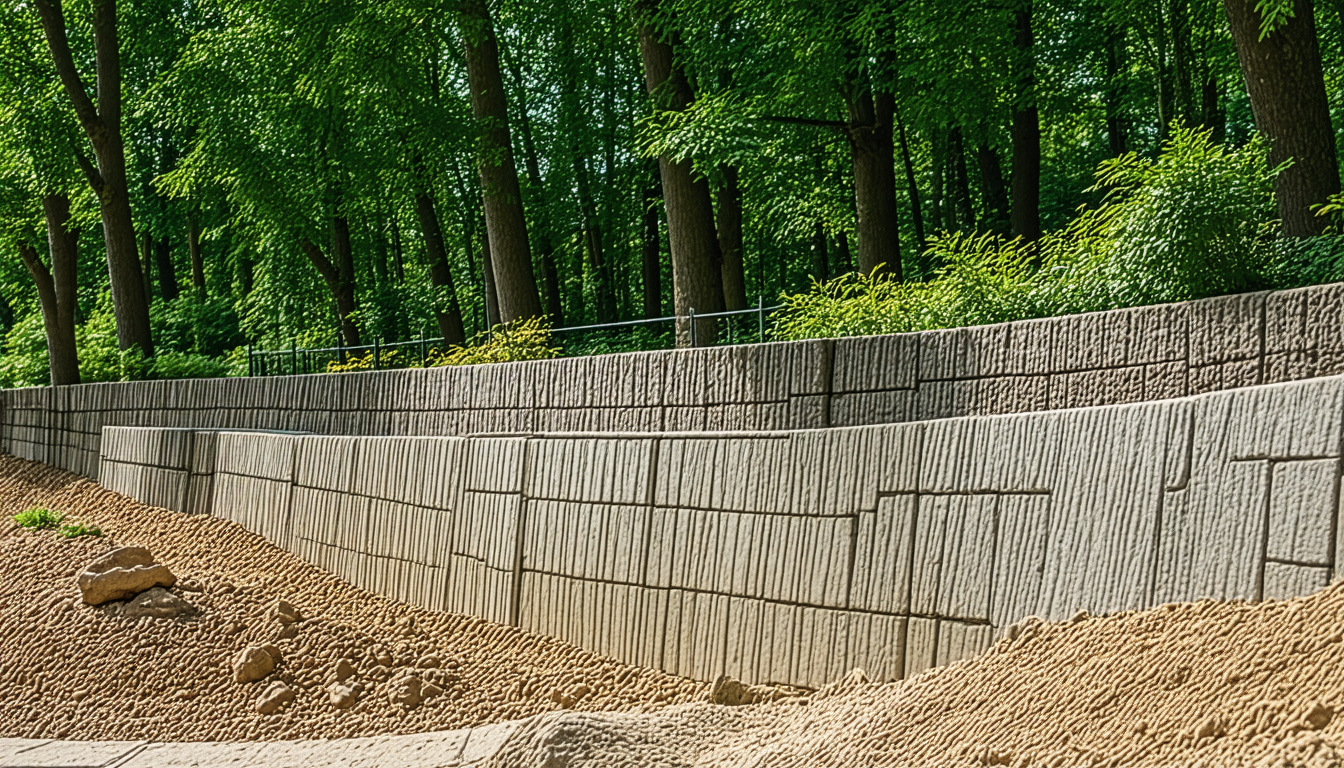
Selecting appropriate materials is essential for both function and aesthetics. Options include concrete, stone, timber, and gabion.
- Why it works: Different materials offer varied levels of durability, maintenance, and visual appeal.
- Practical instruction: Consult with a contractor to match materials with your environmental conditions.
Design with Drainage in Mind
Incorporate drainage solutions such as weep holes and gravel backfill to manage water flow.
- Why it works: Effective drainage prevents water accumulation, reducing pressure on the wall.
- Practical instruction: Consider modern drainage systems like ‘AquaFlow’ for optimal results.
Secure Permits and Approvals
Before construction, ensure compliance with local building codes and regulations.
- Why it works: Avoid legal complications and ensure safety standards are met.
- Practical instruction: Use online platforms to expedite permit applications.
Hire a Professional Contractor
Engage a certified retaining wall contractor with a proven track record.
- Why it works: Professional expertise ensures the wall is constructed to withstand environmental pressures.
- Practical instruction: Review portfolios and client testimonials for informed decision-making.
Implement Eco-friendly Designs
Consider green solutions like living walls, which integrate vegetation.
- Why it works: Living walls provide erosion control while enhancing biodiversity and aesthetics.
- Practical instruction: Collaborate with eco-landscapers for innovative designs.
Schedule Regular Maintenance
Implement a maintenance plan to ensure the wall’s integrity over time.
- Why it works: Regular inspections prevent minor issues from becoming major problems.
- Practical instruction: Create a schedule using apps like ‘Maintain-It’ for timely reminders.
Incorporate Advanced Technology
Utilize tech tools for monitoring and improving wall performance.
- Why it works: Sensors and smart systems provide real-time data on wall stability.
- Practical instruction: Invest in IoT devices compatible with smart home systems.
Optimize Aesthetic Appeal
Balance functionality with design to enhance property value.
- Why it works: A visually appealing wall adds to the property’s attractiveness and market value.
- Practical instruction: Use 3D landscape design software to visualize options.
Educate Yourself Continuously
Stay informed about new trends and technologies in retaining wall construction.
- Why it works: Knowledge empowers better decision-making and keeps your landscape modern.
- Practical instruction: Subscribe to industry publications and attend workshops.
Pro Tip: Integrate Solar Lighting
Enhance safety and ambiance by adding solar-powered lights along the wall.
- Why it works: Increases visibility and adds a unique design element.
- Practical instruction: Choose energy-efficient models for sustainable illumination.
Advanced Optimization / Expert Tips
- Incorporate Smart Irrigation: Optimize water use with smart irrigation systems that adjust based on weather conditions.
- Use Recycled Materials: Opt for sustainable materials to reduce environmental impact and potentially lower costs.
- Invest in Professional Landscaping Software: Leverage advanced design tools for precise planning and execution.
- Consider Seasonal Adjustments: Adapt maintenance practices to seasonal changes for year-round stability.
Long-Term Maintenance / Best Practices
- Regularly inspect for cracks or shifts.
- Clear drainage systems bi-annually.
- Monitor vegetation growth on living walls.
- Schedule professional evaluations every two years.
- Adjust irrigation systems seasonally for optimal efficiency.
Frequently Asked Questions
What is the cost of building a retaining wall in 2026?
Costs can vary widely based on materials, wall size, and site conditions. Expect to spend between $15 and $45 per square foot.
How long do retaining walls typically last?
With proper construction and maintenance, a retaining wall can last 50 to 100 years.
Do I need a permit for a retaining wall?
Yes, most regions require permits for walls over a certain height. Check local regulations for specifics.
Can retaining walls be eco-friendly?
Absolutely. Consider using sustainable materials and integrating green wall designs to enhance environmental benefits.
What is the best material for a retaining wall?
Concrete is popular for its durability, while stone offers a natural look. The best choice depends on your specific needs and environmental conditions.
Conclusion
Retaining walls are more than just functional structures; they are transformative elements that protect landscapes, enhance aesthetics, and contribute to sustainable practices. By following the outlined steps and incorporating advanced tips, you can create a robust solution that prevents erosion and improves landscape stability. Remember, regular maintenance and staying informed about industry trends will ensure your retaining wall remains effective and beautiful for years to come. Embrace the future of landscape architecture with confidence and creativity.