As we step into 2026, the concept of smart home automation has evolved from a futuristic luxury to an essential component of modern living. With the rapid advancements in technology and the increasing need for sustainable energy management, homeowners are increasingly turning to smart home automation contractors to enhance both comfort and efficiency. The challenge, however, lies in navigating the complex world of smart technologies to create a home that is not only energy-efficient but also seamlessly comfortable.
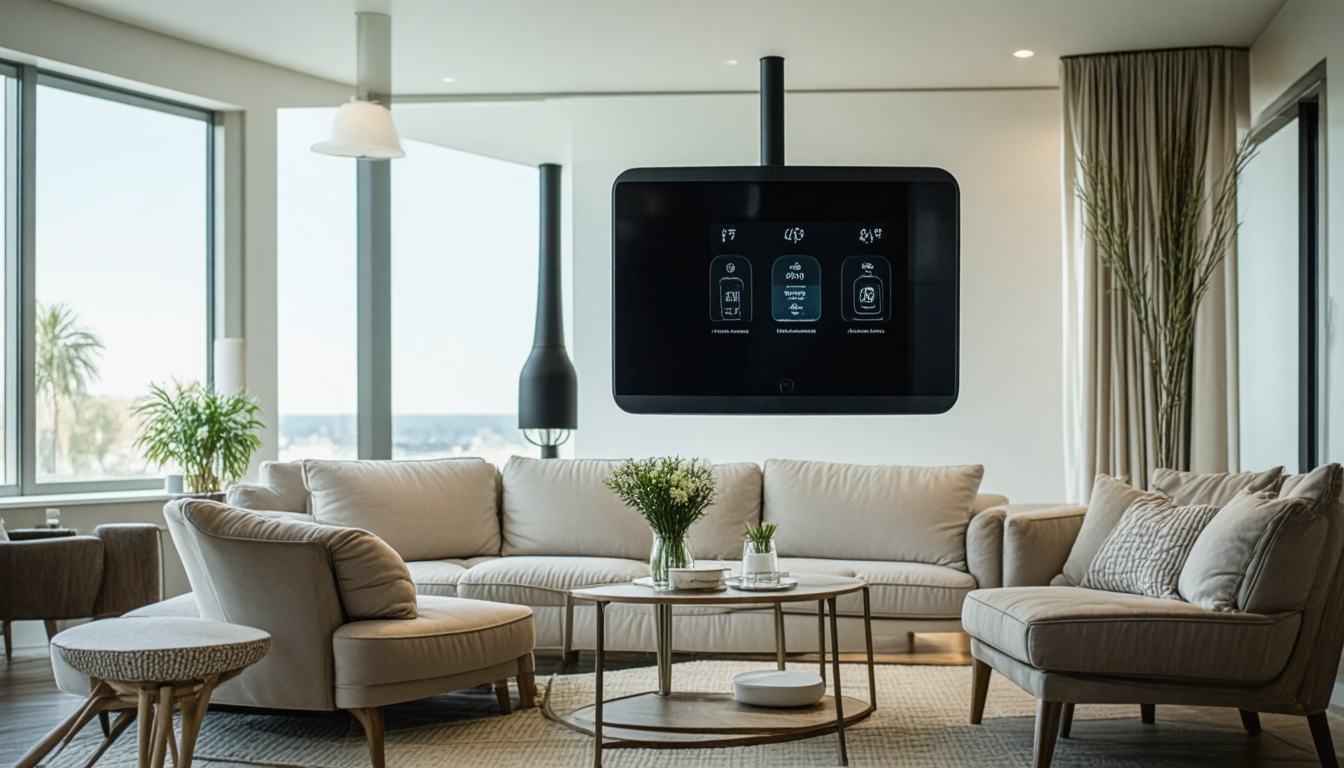
Imagine entering your home on a chilly evening, and instead of fumbling with multiple switches, your house automatically adjusts the lighting, temperature, and ambiance to your liking. Or consider waking up to a home that gradually increases the temperature, opens the blinds, and brews your coffee—all while optimizing energy usage. These aren’t just futuristic fantasies; they are achievable realities with smart home automation. Yet, the path to achieving this seamless integration can be fraught with challenges, particularly if one lacks the technical expertise or understanding of the latest products and trends.
The good news is that with the right guidance and a step-by-step approach, transforming your home into an energy-efficient haven of comfort is within reach. This article aims to provide you with actionable insights and a comprehensive guide to working with smart home automation contractors. Whether you’re a tech-savvy homeowner or someone just beginning to explore smart solutions, understanding the nuances of home automation can set you on a path to a more sustainable and comfortable future.
Why This Problem Happens / Why This Topic Matters
- Complexity of Integration: Many homeowners struggle with integrating disparate smart devices into a cohesive system.
- Rapid Technological Advances: Keeping up with the latest smart tech innovations can be overwhelming.
- Energy Consumption Concerns: Rising energy costs and environmental awareness drive the need for efficient energy management.
- Comfort vs. Efficiency Balance: Finding the sweet spot between comfort and energy savings is challenging.
By addressing these issues, smart home automation contractors can help homeowners harness the full potential of their smart devices, leading to enhanced living experiences and reduced energy costs.
Step-by-Step Core Guide / Main Solutions
Step 1: Assess Your Needs and Budget
Before diving into smart home automation, assess your specific needs and budget. Determine which areas of your home could benefit the most from automation—such as lighting, security, or HVAC systems. A clear understanding of your priorities will guide your interactions with contractors.
Why it works: Tailoring solutions to your specific needs ensures cost-effectiveness and satisfaction.
Pro Tip: Start with a small project and scale up as you become more comfortable with smart technologies.
Step 2: Research Qualified Contractors
Search for reputable smart home automation contractors with proven track records. Check reviews, ask for references, and ensure they are familiar with the latest technologies and trends.
Why it works: Experienced contractors offer insights and avoid common pitfalls, ensuring a smoother installation process.
Pro Tip: Look for contractors who provide customized solutions rather than one-size-fits-all packages.
Step 3: Plan Your System Design
Work with your contractor to design a system that integrates seamlessly with your lifestyle. This includes selecting compatible devices and ensuring they communicate effectively with each other.
Why it works: A well-planned system enhances functionality and ensures all devices work harmoniously.
Pro Tip: Consider future scalability—design a system that can grow with your needs.
Step 4: Choose Energy-Efficient Devices
Opt for devices that offer energy-saving features, such as smart thermostats, LED lighting, and energy monitors. These not only reduce your carbon footprint but also lower utility bills.
Why it works: Energy-efficient devices provide long-term savings and environmental benefits.
Pro Tip: Check for energy certification labels like ENERGY STAR when selecting devices.
Step 5: Implement Smart Scheduling
Utilize scheduling features on your devices to automate routine tasks. For example, set your thermostat to adjust temperatures based on your daily schedule or program lights to turn off when not in use.
Why it works: Automation reduces energy waste and enhances daily convenience.
Pro Tip: Use geofencing technology to automate tasks based on your location.
Step 6: Optimize Device Connectivity
Ensure all devices are connected to a robust home network. Consider using a mesh Wi-Fi system to eliminate connectivity dead zones.
Why it works: Reliable connectivity ensures that all devices operate efficiently without interruptions.
Pro Tip: Regularly update your network security settings to protect against cyber threats.
Step 7: Utilize Voice Assistants
Integrate voice assistants like Alexa, Google Assistant, or Siri to control your smart devices hands-free. This adds an extra layer of convenience and accessibility.
Why it works: Voice control simplifies interactions and enhances the user experience.
Pro Tip: Customize voice commands to suit your preferences for more intuitive control.
Step 8: Monitor and Adjust
Use energy monitoring tools to track your consumption and adjust settings as needed. This helps in identifying high-usage areas and optimizing them for better efficiency.
Why it works: Continuous monitoring allows for informed decisions that lead to energy savings.
Pro Tip: Set alerts for unusual energy spikes to catch issues early.
Advanced Optimization / Expert Tips
- Integrate AI for Predictive Adjustments: Use AI-driven systems that learn your habits and automatically adjust settings for optimal comfort and efficiency.
- Regular Software Updates: Keep your devices updated to benefit from the latest features and security patches.
- Data Analytics: Employ data analytics tools to gain insights into energy usage patterns and make informed adjustments.
Long-Term Maintenance / Best Practices
- Regularly audit your smart system for efficiency.
- Schedule periodic check-ups with your contractor.
- Educate all household members on using smart systems.
- Back up your system settings and configurations.
- Stay informed about new smart home trends and technologies.
Frequently Asked Questions
What is the role of a smart home automation contractor?
A smart home automation contractor specializes in designing and installing systems that integrate various smart devices to enhance home efficiency and comfort.
How do smart home systems save energy?
Smart home systems save energy by automating tasks, optimizing device usage, and providing insights into consumption patterns, allowing for more efficient energy management.
Can I install smart home devices myself?
While some devices can be self-installed, hiring a contractor ensures proper integration, avoids common mistakes, and provides access to expert knowledge.
What are the most cost-effective smart home upgrades?
Smart thermostats, energy-efficient lighting, and smart plugs are among the most cost-effective upgrades, offering significant savings on energy bills.
How often should I update my smart home system?
Regular updates every few months are recommended to ensure your devices have the latest features and security measures.
Conclusion
Embracing smart home automation not only transforms your living space into a hub of comfort and convenience but also plays a crucial role in energy management. By following a strategic approach and partnering with knowledgeable contractors, you can optimize your home for the future. Remember, the key to success lies in continuous learning and adaptation—keeping your systems updated and seeking new ways to enhance efficiency. As technology continues to evolve, staying informed will ensure your smart home remains at the forefront of innovation and sustainability.