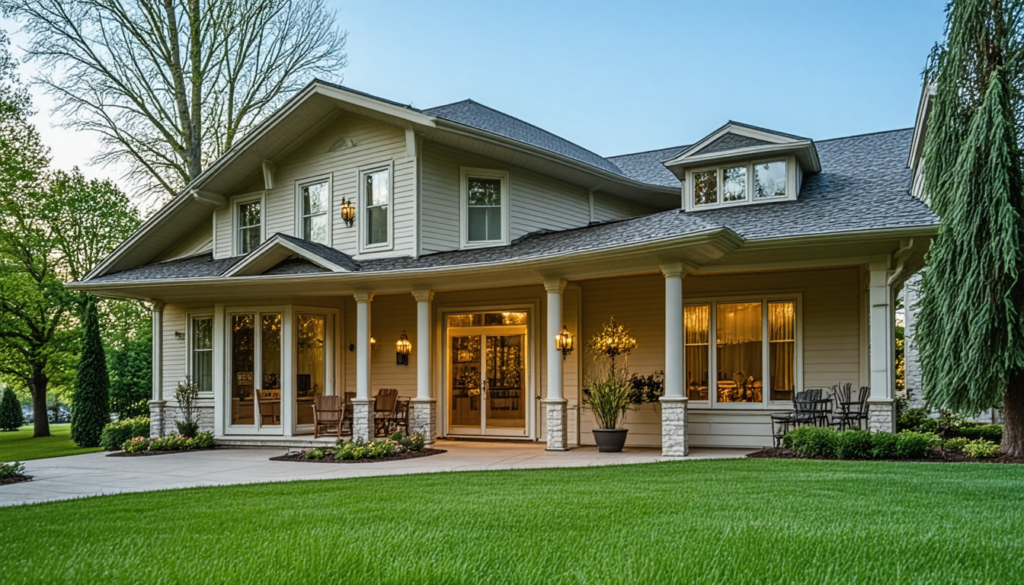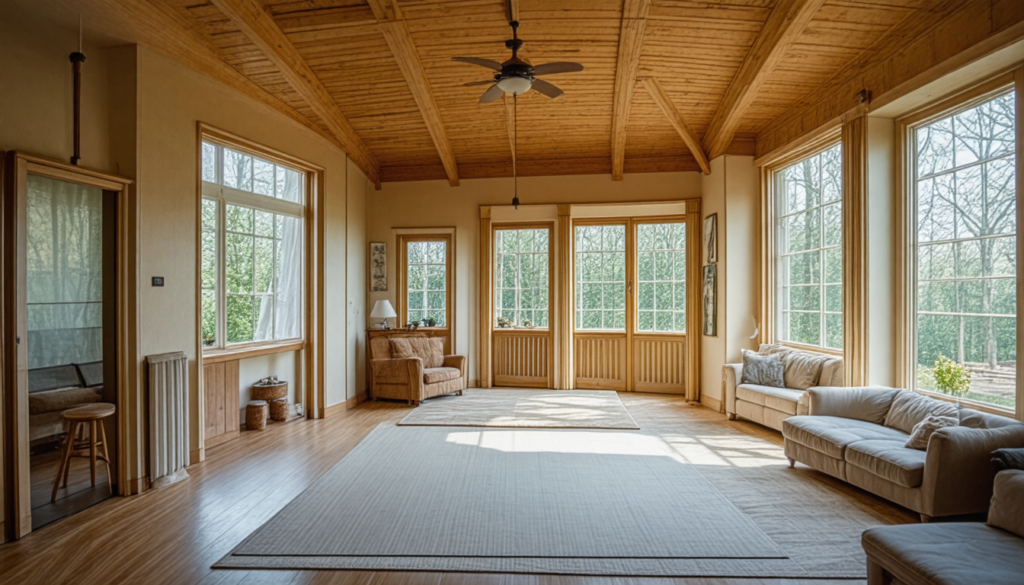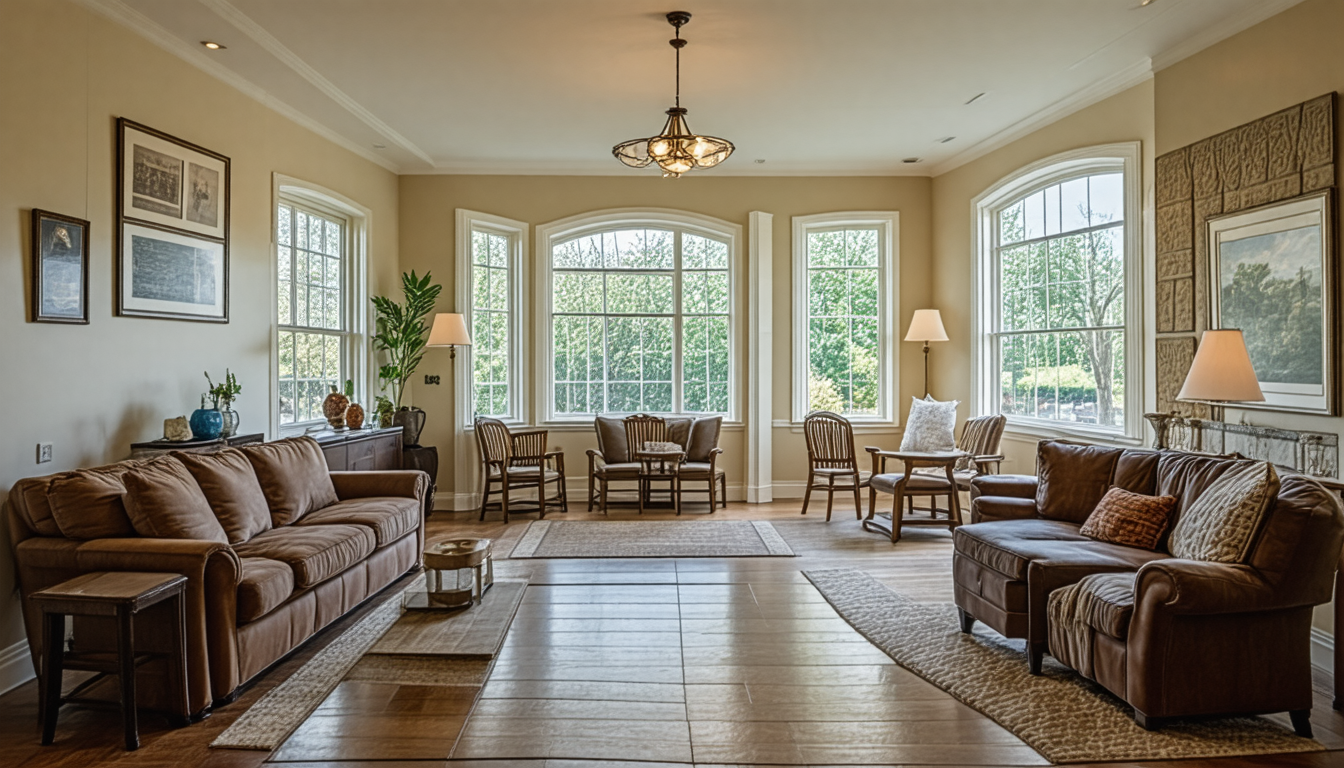
As we stride confidently into 2026, the concept of home continues to evolve, transcending traditional design in favor of universality. Universal design remodeling is gaining momentum, transforming homes into adaptable spaces that cater to all ages and abilities. In a world where families are more dynamic than ever, with multiple generations often living under one roof, creating a home that works for every stage of life is not just a trend—it’s a necessity.
Imagine a home where a young child can safely navigate the same spaces as their grandparents, or where someone recovering from surgery can move comfortably without restrictions. Real-life scenarios like these highlight the challenges many families face in homes that aren’t designed with universal accessibility in mind. Thankfully, with advances in technology and a growing awareness of inclusive design principles, creating such a home is now more feasible than ever.
This article promises actionable, step-by-step solutions to help you remodel your home with universal design in mind. These solutions are not only practical but are also future-proof, ensuring your home remains functional and welcoming for years to come.
Why This Problem Happens / Why This Topic Matters
- Aging Population: As the global population ages, there’s a growing need for homes that accommodate mobility issues and other age-related challenges.
- Multigenerational Living: Economic factors and cultural shifts have led to more families living together, necessitating spaces that serve diverse needs.
- Technological Advancements: New technologies offer innovative ways to enhance accessibility, but integration can be complex.
- Market Demand: Homes with universal design features often have higher resale value, appealing to a broader market.
- Sustainability and Health: Universal design principles often incorporate sustainable materials and healthier living environments.
Step-by-Step Core Guide / Main Solutions
Step 1: Assess Your Current Home Layout
Begin by evaluating your home’s layout. Identify areas that present challenges for different age groups or abilities. Consider door widths, stair accessibility, and bathroom setups.
Why It Works: Understanding your home’s current state allows you to prioritize changes that will have the most significant impact.
Step 2: Prioritize Entryway Accessibility
Ensure that your home’s entryway is accessible to everyone. This might include installing ramps or ensuring at least one entry is step-free.
Why It Works: A welcoming, easily navigable entryway sets the tone for the rest of the home.
Step 3: Install Adjustable Features
Use adjustable shelves and counters in kitchens and bathrooms to accommodate different heights and abilities.
Why It Works: Flexibility in frequently used spaces enhances usability for all family members.
Step 4: Incorporate Smart Home Technology
Leverage smart home technology to improve accessibility. Voice-controlled assistants and automated lighting can significantly enhance ease of use.
Why It Works: Technology simplifies daily tasks, offering convenience and independence.
Pro Tip: Choose devices that are compatible with a variety of ecosystems to future-proof your tech investments.
Step 5: Improve Bathroom Safety
Install grab bars, non-slip flooring, and walk-in showers to make bathrooms safer and more accessible.
Why It Works: These changes reduce the risk of accidents, a crucial consideration for both young children and the elderly.
Step 6: Optimize Lighting
Ensure ample lighting throughout your home, including motion-sensor lights in hallways and closets.
Why It Works: Good lighting prevents accidents and enhances usability of the space.
Step 7: Use Lever Handles
Replace traditional doorknobs with lever handles for easier operation by individuals with limited hand strength.
Why It Works: Lever handles are user-friendly and require less dexterity.
Step 8: Choose Low-Maintenance Materials
Select materials that are easy to clean and durable, like quartz countertops and vinyl flooring.
Why It Works: Low-maintenance materials reduce upkeep time and cost, making them ideal for all ages.
Step 9: Create Open Floor Plans
If possible, reconfigure your home’s layout to create open, barrier-free spaces that allow for easy movement.
Why It Works: Open spaces facilitate better movement and interaction within the home.
Step 10: Plan for Future Adaptations
Design with the future in mind, incorporating flexible spaces that can be adapted as needs change.
Why It Works: Future-proofing your home ensures long-term usability and value.
Advanced Optimization / Expert Tips
- Integrate Renewable Energy: Consider solar panels or energy-efficient systems to make your home more sustainable and reduce future costs.
- Invest in Professional Design Services: Hiring an expert in universal design can help you achieve the best results with professional insights and tailored solutions.
- Focus on Environmental Quality: Use non-toxic materials and ensure good ventilation to improve the overall health of your home environment.
Long-Term Maintenance / Best Practices
- Regularly check and maintain safety features like grab bars and smoke detectors.
- Update smart home software to keep technology functioning optimally.
- Conduct annual reviews of your home’s adaptability features and make necessary adjustments.
- Encourage family members to report any accessibility challenges they encounter.
- Stay informed about new universal design trends and technologies.
Frequently Asked Questions
What is the main goal of universal design remodeling?
The goal is to create a home environment that is accessible and functional for individuals of all ages and abilities, ensuring comfort and safety for everyone.
How can smart home technology assist with universal design?
Smart home technology can automate tasks, enhance security, and improve accessibility through features like voice control and remote monitoring.
Is universal design remodeling expensive?
While some features may require an initial investment, many changes are cost-effective. Additionally, these upgrades can increase a home’s value and reduce long-term maintenance costs.
Can universal design features be aesthetically pleasing?
Absolutely. Many universal design elements are seamlessly integrated into modern decor, blending functionality with style.
What are the most important areas to focus on in universal design remodeling?
Key areas include entryways, bathrooms, kitchens, and lighting, as these spaces have the most significant impact on daily living.
Conclusion
Universal design remodeling transforms homes into inclusive environments that cater to the diverse needs of all occupants. By implementing the steps outlined in this guide, you can create a home that not only addresses immediate accessibility challenges but also adapts to the future needs of your family. Regular maintenance and staying updated on the latest trends will ensure your home remains a safe, comfortable space for everyone. Embrace the change today, and enjoy a home that truly works for every stage of life.