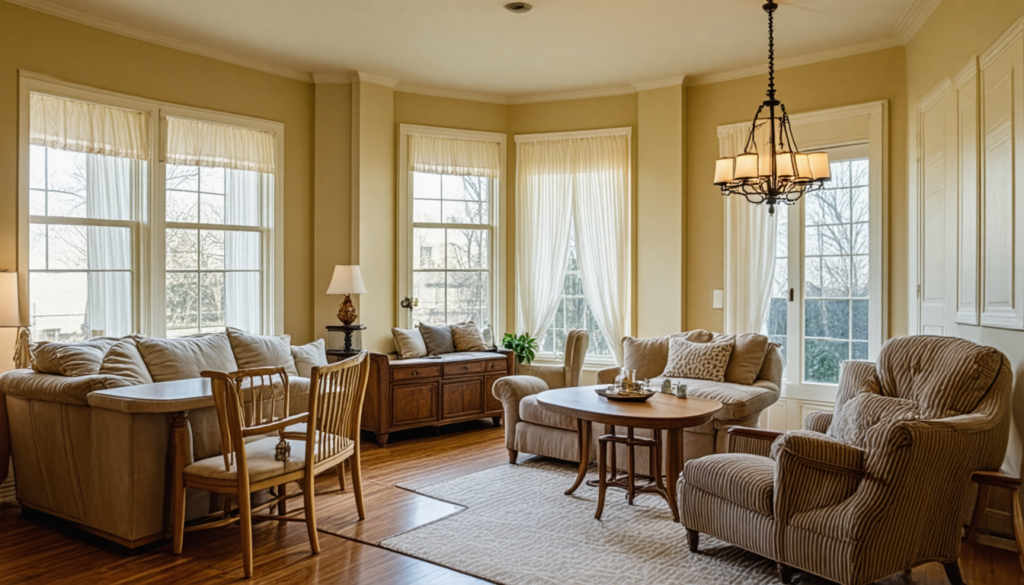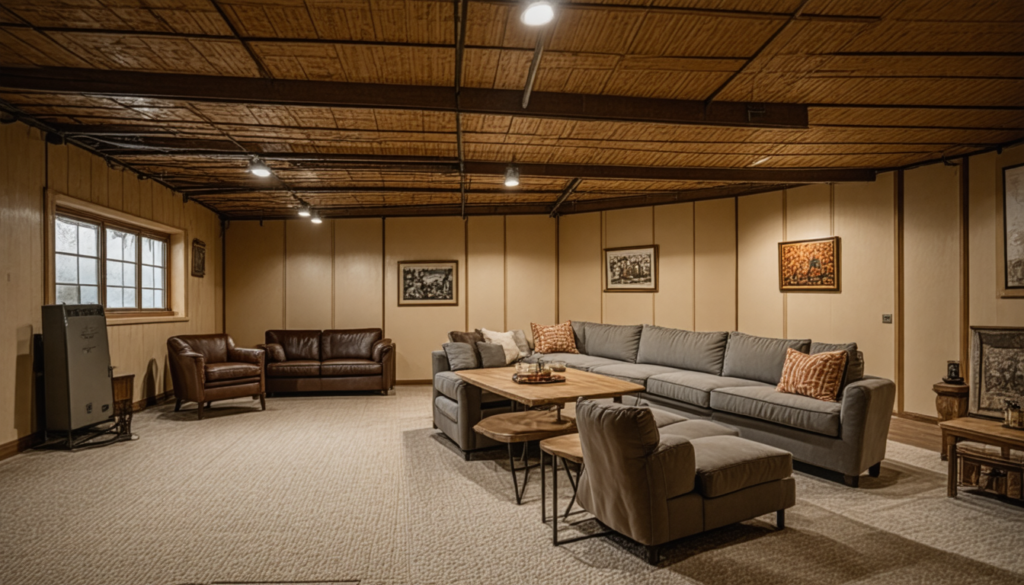
Expanding your living space is a significant decision that can enhance your lifestyle and boost your home’s value. Whether your family is growing, you need extra room for work or leisure, or you simply want to enhance your living environment, a home addition can be a transformative project. However, achieving a successful home addition requires meticulous planning, a clear understanding of your needs, and the expertise of a skilled home addition contractor. This article delves into the essentials of expanding your living space, guiding you through choosing the right contractor, planning your project, and ensuring a smooth execution.
Understanding Home Additions
Home additions come in various forms, from adding a new room or a second story to expanding existing spaces like kitchens or living rooms. Understanding the type of addition that suits your needs is crucial. Here are some common types of home additions:
Room Additions
Room additions involve adding a new room to your home, such as an extra bedroom, bathroom, or office. This type of addition is ideal for families needing more space without relocating.
Second Story Additions
If your property has limited horizontal space, a second story addition can double your living area. This option is often chosen in urban areas where land is scarce but vertical space is plentiful.
Sunrooms and Conservatories
For those who love natural light, adding a sunroom or conservatory can enhance your home’s aesthetic appeal and provide a relaxing space to enjoy the outdoors from the comfort of your home.
Garage Conversions
Transforming an existing garage into a functional living space is a cost-effective way to add square footage. This could be turned into a guest suite, home office, or playroom.
Choosing the Right Home Addition Contractor
Selecting the right contractor is perhaps the most critical decision in your home addition project. A skilled contractor will not only bring your vision to life but also ensure the project is completed on time and within budget. Here are some factors to consider:
Experience and Expertise
Look for contractors with extensive experience in home additions. They should have a portfolio of previous projects similar to yours. An experienced contractor will know how to handle challenges and provide innovative solutions.
Credentials and Licensing
Verify that your contractor holds the necessary licenses and certifications required in your area. This not only ensures their legitimacy but also guarantees that they adhere to local building codes and standards.
Reputation and References
Research the contractor’s reputation by reading online reviews and asking for references. Speaking with past clients can give you insight into their work ethic, reliability, and quality of work.
Communication and Transparency
Good communication is key to a successful project. Your contractor should be transparent about timelines, costs, and any potential issues. They should be open to your ideas and provide regular updates throughout the process.
Planning Your Home Addition
Proper planning is essential for a successful home addition. It involves defining your goals, setting a budget, and creating a realistic timeline.
Defining Your Goals
Start by identifying why you need a home addition. Are you looking to increase your home’s value, create more space, or improve functionality? Having clear goals will help guide the design and construction process.
Setting a Budget
Determine how much you are willing to invest in your home addition. Consider costs such as design fees, materials, labor, and permits. It’s wise to set aside a contingency fund for unexpected expenses.
Designing Your Addition
Work with your contractor and an architect to create a design that meets your needs and complements your existing home. Consider factors such as the flow of space, natural lighting, and the addition’s impact on your home’s exterior.
Obtaining Permits
Most home additions require building permits. Your contractor should handle the permit application process, ensuring that your project complies with local zoning laws and building regulations.
Executing the Home Addition
Once planning is complete, it’s time to bring your vision to life. Here’s what to expect during the construction phase:
Site Preparation
Before construction begins, the site must be prepared. This may involve demolishing parts of the existing structure, clearing the area, and setting up temporary barriers for safety.
Construction
During construction, your contractor will handle all aspects of building the addition, from laying the foundation to installing roofing and utilities. Regular site visits and meetings with your contractor will keep you informed of progress.
Finishing Touches
After the main construction is complete, attention turns to finishing touches such as painting, flooring, and installing fixtures. These details will bring your new space to life and ensure it matches your vision.
Frequently Asked Questions
What should I consider when choosing a home addition contractor?
When selecting a contractor, consider their experience, credentials, reputation, and communication skills. Check their portfolio and references to ensure they are capable of delivering quality work.
How long does a typical home addition project take?
The duration of a home addition project depends on its complexity and size. On average, a simple room addition may take 2-4 months, while larger projects like second-story additions can take 6 months or more.
Is it necessary to hire an architect for a home addition?
While not mandatory, hiring an architect can be beneficial. They can help design a functional and aesthetically pleasing addition, and ensure compliance with local building codes.
What are common challenges in home addition projects?
Common challenges include unforeseen structural issues, delays in obtaining permits, and budget overruns. Working with an experienced contractor can help mitigate these challenges.
Can I live in my home during the addition construction?
Depending on the scope of the project, it may be possible to stay in your home. However, there will be noise, dust, and disruptions. Discuss this with your contractor before construction begins.
Conclusion
A home addition is a substantial investment that can significantly enhance your living space and increase your property’s value. By understanding the types of additions available, choosing the right contractor, and planning meticulously, you can ensure a successful project. Remember to communicate openly with your contractor and stay involved throughout the process to achieve the desired outcome. With the right approach, your home addition can transform your living environment and meet your evolving needs effectively.