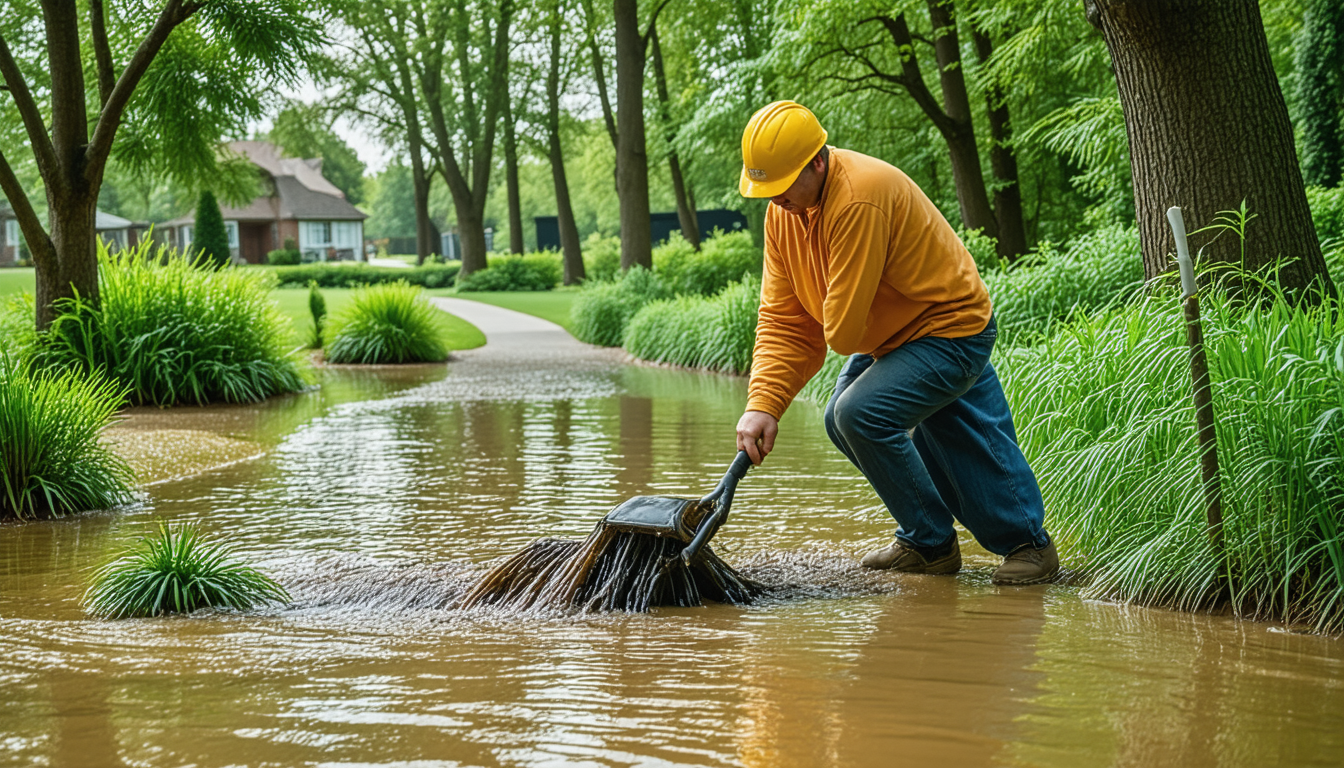
Yard flooding is a pervasive issue that many homeowners face, particularly as climate patterns continue to shift unpredictably. In 2026, the frequency and intensity of storms have increased, leaving many properties vulnerable to water damage. This problem is not only a nuisance but can lead to severe structural issues, impacting your home’s foundation and landscaping. Imagine waking up after a heavy rainfall to find your backyard transformed into a pond, threatening not just your peace of mind but also your property value.
Addressing yard flooding proactively is crucial. Understanding the underlying causes and implementing effective drainage solutions can save you a significant amount in repairs and preserve the integrity of your property. With the right guidance, you can transform your waterlogged yard into a resilient landscape that efficiently manages stormwater.
This article will walk you through the essential steps to solve yard flooding issues and introduce advanced techniques to ensure long-term solutions. By the end, you’ll have a clear roadmap to protect your property against the ever-present threat of water damage, making your home a safer haven through 2026 and beyond.
Why Yard Flooding Happens / Why This Topic Matters
- Poor Soil Drainage: Clay-heavy soils do not absorb water quickly, leading to surface pooling.
- Improper Slope and Grading: Incorrect grading directs water towards your house instead of away.
- Insufficient Drainage Systems: Outdated or absent drainage solutions fail to handle modern stormwater volumes.
- Clogged Gutters and Downspouts: Debris can block water flow, causing overflow and yard flooding.
- Extreme Weather Patterns: More frequent and intense storms contribute to excess water accumulation.
Understanding these root causes is essential because it informs the type of solutions you implement. By addressing each factor, you can create a comprehensive drainage plan tailored to your property’s unique needs.
Step-by-Step Core Guide / Main Solutions
Assess Your Yard’s Drainage Needs
Begin by assessing the extent of the flooding problem. Walk your yard during a rainstorm or immediately after to identify pooling areas. Note water flow patterns and any existing drainage solutions.
Why it works: Identifying problem areas allows for targeted interventions like regrading or installing drains only where necessary.
Improve Soil Drainage
Amend your soil with organic matter to improve its absorption capacity. Compost or sand can help break up heavy clay soil.
Practical Instructions: Mix compost into the top six inches of soil or use a tiller for larger areas.
Pro Tip: Use a soil test kit to determine the exact composition of your soil and adjust amendments accordingly.
Regrade Your Yard
Ensure your yard slopes away from your home’s foundation. A slope of 1 inch per foot for at least 6 feet is typically recommended.
Why it works: Proper grading directs water away from structures, preventing foundation damage.
Install French Drains
Lay perforated pipes in trenches filled with gravel to redirect water away from problem areas.
Practical Instructions: Dig a trench sloping away from your property, lay the pipe, cover with gravel, and backfill with soil.
Pro Tip: Cover the gravel with landscaping fabric to prevent soil from clogging the drain over time.
Utilize Dry Wells
For areas where water pools, install dry wells to collect and disperse excess water underground.
Why it works: Dry wells provide temporary storage for excess water, reducing surface flooding.
Maintain Gutters and Downspouts
Regularly clean gutters and ensure downspouts extend at least 10 feet from your home.
Pro Tip: Install gutter guards to minimize debris accumulation.
Create Rain Gardens
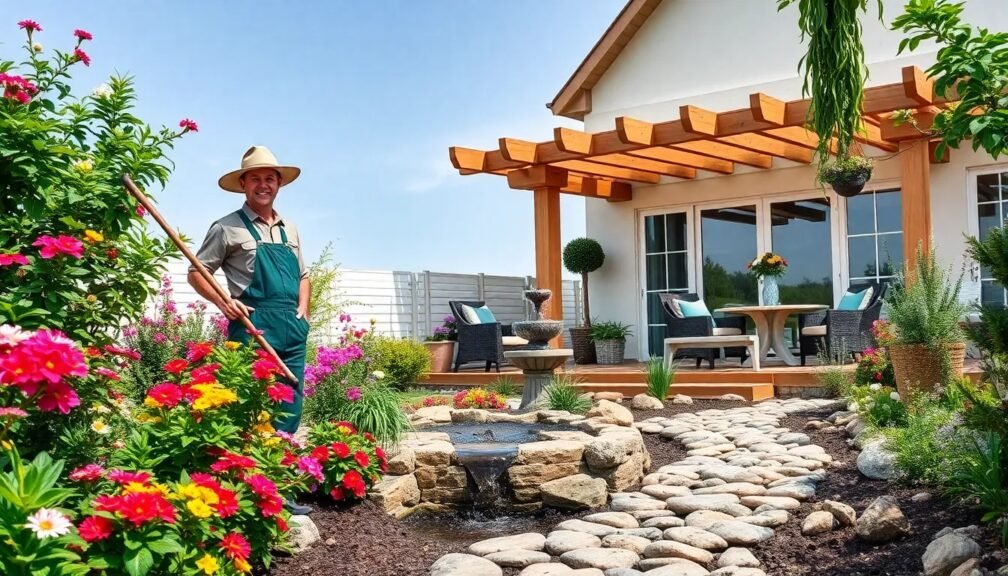
Designate a low-lying area with water-tolerant plants to absorb runoff naturally.
Why it works: Rain gardens act as natural sponges, improving water infiltration.
Install Retaining Walls
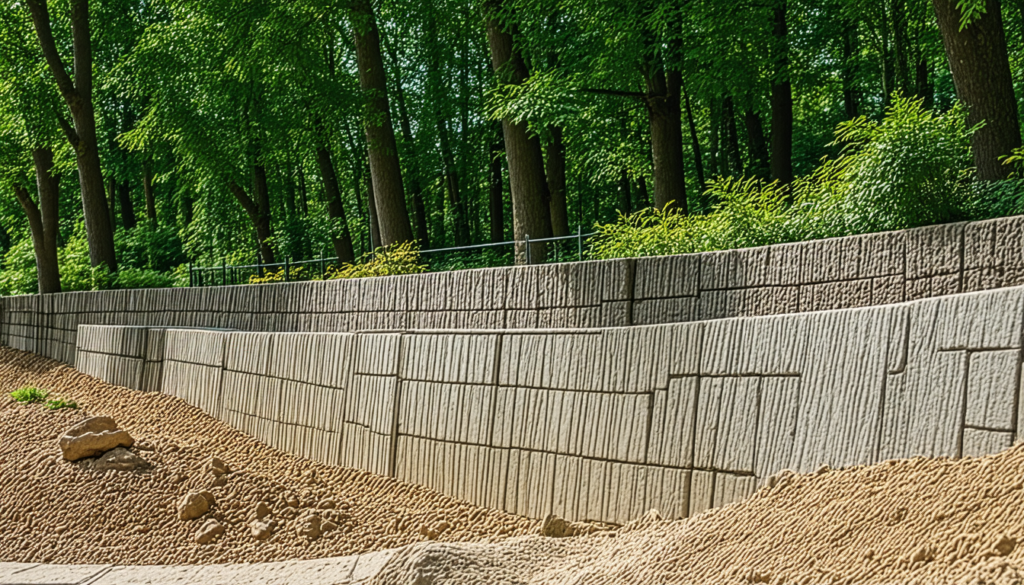
Where applicable, build retaining walls to redirect water flow and prevent erosion.
Practical Instructions: Ensure walls are reinforced and have proper drainage behind them to prevent collapse.
Utilize Permeable Paving
Replace impermeable surfaces with permeable pavers to allow water to seep through.
Why it works: Reduces runoff by increasing water infiltration into the ground.
Consult a Professional Drainage Contractor
For complex issues, hiring a professional ensures that solutions are properly designed and executed.
Pro Tip: Look for contractors who use advanced techniques and eco-friendly solutions.
Advanced Optimization / Expert Tips
- Smart Water Management Systems: Use IoT devices to monitor soil moisture and automate irrigation systems, optimizing water usage.
- Green Roof Installations: Consider green roofs to absorb rainwater and reduce runoff, especially in urban areas.
- Bioretention Ponds: Incorporate bioretention ponds in large properties to manage stormwater more effectively.
These advanced techniques not only resolve flooding issues but also enhance property aesthetics and contribute to environmental sustainability.
Long-Term Maintenance / Best Practices
- Regularly inspect and clean drainage systems.
- Monitor soil health and adjust amendments as needed.
- Check and maintain grading periodically.
- Update and replace outdated drainage solutions.
- Educate family members on sustainable water management practices.
Frequently Asked Questions
How do I know if my yard needs regrading?
Look for signs like water pooling near your foundation, uneven ground, and soil erosion. If these issues persist, regrading may be necessary.
What is the cost of hiring a drainage contractor?
Costs vary based on the complexity of the project, but expect to spend between $2,000 and $10,000 for comprehensive solutions.
Can I install a French drain myself?
Yes, with the right tools and instructions, DIY installation is possible for small projects. However, professional installation is recommended for larger or more complex systems.
How often should I clean my gutters?
Ideally, clean gutters twice a year, in the spring and fall, to prevent blockages and overflow.
Are rain gardens effective in all climates?
Rain gardens are versatile but select plants suitable for your local climate to ensure effectiveness.
Conclusion
By addressing yard flooding proactively, you safeguard your property’s structural integrity and enhance your outdoor space’s usability and aesthetics. With the outlined steps and ongoing maintenance practices, you can create a robust drainage system that stands the test of time. Take action today to transform potential damage into lasting resilience, making your home an example of smart water management well into the future.