In an era where sustainability and energy efficiency are more than just buzzwords, homeowners in 2026 are increasingly seeking ways to reduce their carbon footprint and utility bills. Enter the heat pump water heater—a high-efficiency solution that promises to revolutionize how we think about hot water systems. As energy costs continue to rise, the need for cost-effective and eco-friendly alternatives becomes paramount. But the transition to a heat pump water heater is not just about savings; it’s about investing in a future where sustainability and efficiency go hand in hand.
The challenge often lies in understanding how these systems work and why they are a better choice compared to traditional water heaters. Many homeowners feel overwhelmed by the technical jargon and complex installation processes, which can deter them from making the switch. However, with the right guidance and actionable steps, upgrading to a heat pump water heater can be a seamless and rewarding experience.
This article aims to demystify the installation process, offering a step-by-step guide to help you seamlessly transition to a more sustainable hot water system. Whether you’re a seasoned DIY enthusiast or a homeowner looking to hire a professional, this comprehensive guide will equip you with the knowledge and confidence to make the right decision for your home.
Why This Problem Happens / Why This Topic Matters
- Rising Energy Costs: Traditional water heaters are less efficient, leading to higher energy bills.
- Environmental Impact: Conventional systems contribute to increased carbon emissions.
- Lack of Awareness: Many homeowners are unaware of the benefits and efficiency of heat pump water heaters.
- Complex Installation: The perceived difficulty of installation can deter potential adopters.
- Technological Advancements: New innovations in heat pump technology make them more viable than ever.
Step-by-Step Core Guide / Main Solutions
Step 1: Assess Your Current System
Understanding your current water heating system is crucial. Check the age, efficiency, and energy consumption of your existing heater. Newer models may already have some energy-saving features.
Why It Works: This assessment helps in determining the urgency and potential savings from a switch.
Step 2: Understand Heat Pump Technology
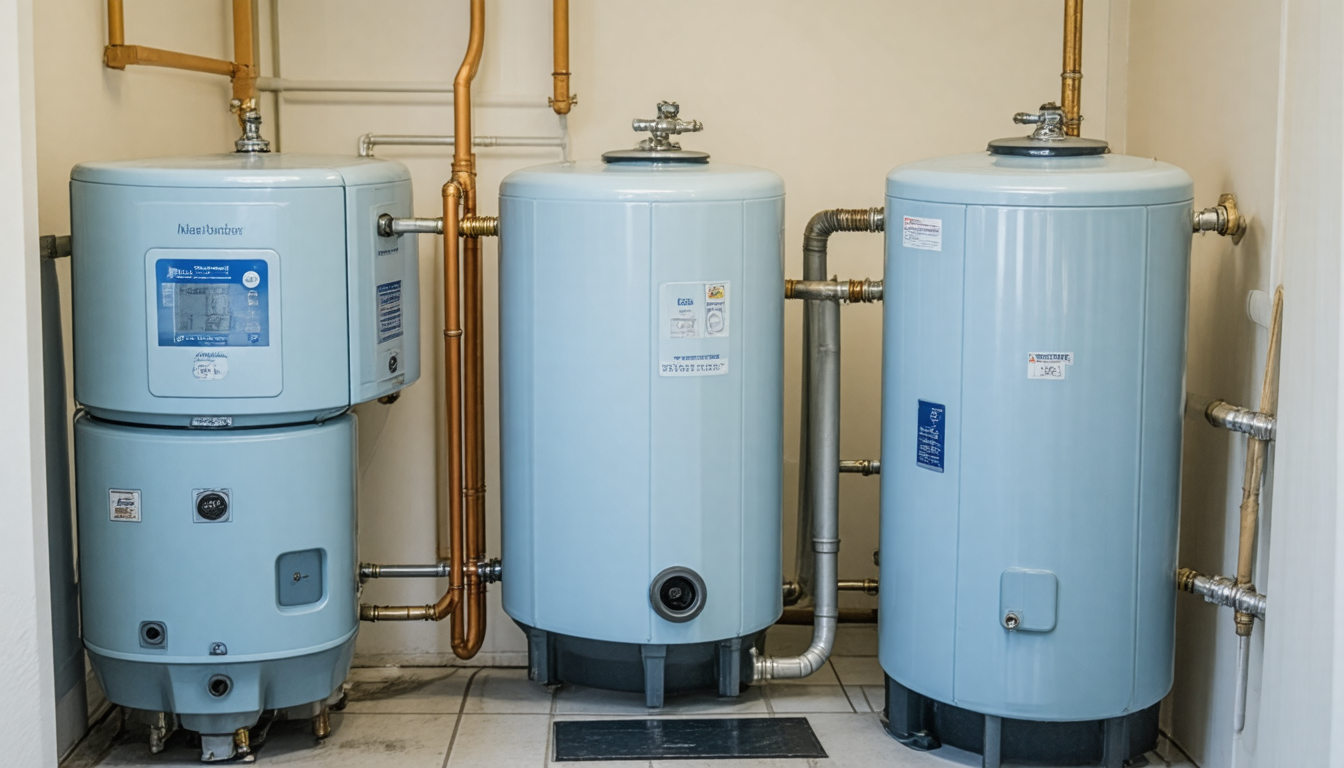
Research how heat pump water heaters work. They use electricity to move heat from the air or ground to heat water, making them significantly more efficient than electric resistance water heaters.
Why It Works: Knowledge is power, and understanding the technology boosts confidence in your decision.
Step 3: Calculate Potential Savings
Use online calculators or consult with a professional to estimate your potential savings on energy bills.
Why It Works: Seeing the numbers can justify the initial investment and motivate the change.
Pro Tip: Look for rebates and tax incentives that can offset initial costs.
Step 4: Choose the Right Model
Consider the size, efficiency rating, and cost. Look for ENERGY STAR certified models for guaranteed efficiency.
Why It Works: Selecting the right model ensures it meets your household’s hot water needs without wasting energy.
Step 5: Plan the Installation Location
Heat pump water heaters need more space and are best installed in areas with moderate temperatures, such as basements or garages.
Why It Works: Proper location enhances efficiency and longevity of the unit.
Step 6: Prepare the Site
Ensure the site is level and has proper clearance from walls and other appliances. Check for adequate ventilation to accommodate the heat pump’s airflow requirements.
Why It Works: A well-prepared site prevents installation issues and improves system performance.
Step 7: Install the Unit
Follow the manufacturer’s instructions or hire a certified installer. Ensure all electrical and plumbing connections are secure.
Why It Works: Proper installation is critical for safety and efficiency.
Step 8: Set the Temperature
Adjust the thermostat to the recommended setting (usually 120°F) to balance efficiency and comfort.
Why It Works: Correct settings maximize energy savings without compromising on hot water supply.
Step 9: Test the System
Run the system to check for leaks, proper heating, and noise levels. Adjust settings as needed.
Why It Works: Testing ensures the system operates correctly from day one.
Step 10: Register the Warranty
Register your product with the manufacturer to activate the warranty and access additional support if needed.
Why It Works: Protects your investment and ensures support.
Pro Tip: Keep installation and purchase receipts for warranty claims.
Advanced Optimization / Expert Tips
- Smart Thermostats: Integrate with smart home systems for remote monitoring and control.
- Regular Maintenance: Schedule annual check-ups to maintain efficiency and extend lifespan.
- Insulation: Insulate surrounding pipes to prevent heat loss and improve efficiency.
- Demand Response Programs: Participate in programs that offer incentives for reducing energy use during peak times.
Long-Term Maintenance / Best Practices
- Regularly flush the system to remove sediment buildup.
- Inspect and replace anode rods every few years to prevent corrosion.
- Check pressure relief valves to ensure they are functioning properly.
- Monitor energy usage to detect any efficiency drops.
- Stay informed about technological updates for potential upgrades.
Frequently Asked Questions
How much can I save by switching to a heat pump water heater?
Heat pump water heaters can reduce energy costs by up to 50% compared to conventional electric water heaters, depending on usage and energy rates.
Are heat pump water heaters noisy?
Modern models are designed to operate quietly, similar to a refrigerator. Noise levels can vary, so check decibel ratings when purchasing.
Can I install a heat pump water heater myself?
While some DIY enthusiasts might handle the installation, it’s recommended to hire a certified professional to ensure optimal performance and safety.
What is the lifespan of a heat pump water heater?
With proper maintenance, a heat pump water heater can last 10-15 years, similar to conventional water heaters but with greater efficiency.
Are there any rebates for installing a heat pump water heater?
Yes, many governments and utilities offer rebates or tax incentives for installing energy-efficient appliances. Check local programs for details.
Conclusion
Transitioning to a heat pump water heater in 2026 is more than an upgrade; it’s a step towards a sustainable future with reduced energy costs and environmental impact. By following this comprehensive guide, homeowners can confidently navigate the installation process, optimizing their investment for long-term benefits. Consistent maintenance and leveraging advanced features will ensure that your system remains efficient and effective for years to come. Embrace the change today and enjoy the dual benefits of cost savings and a greener planet.