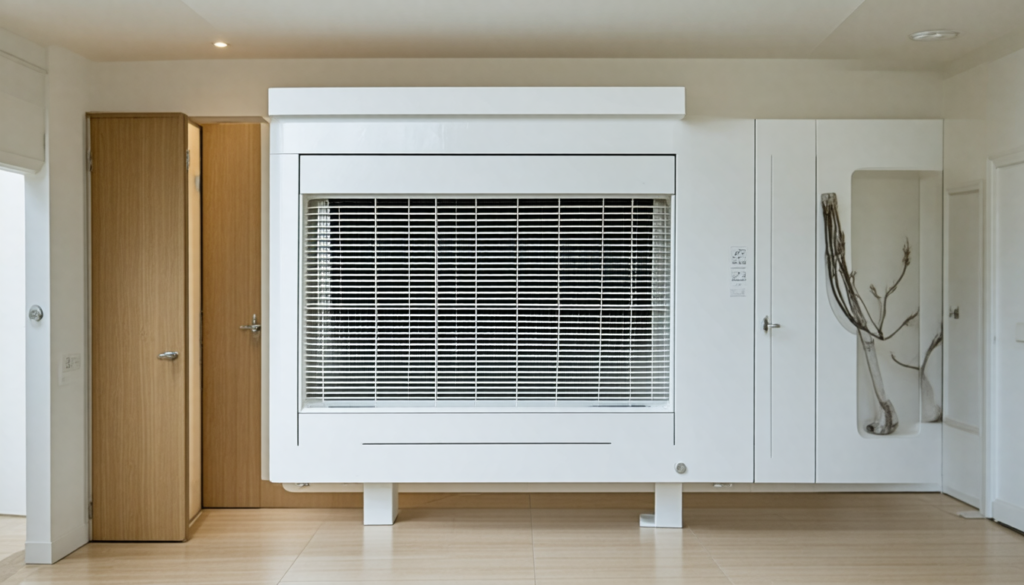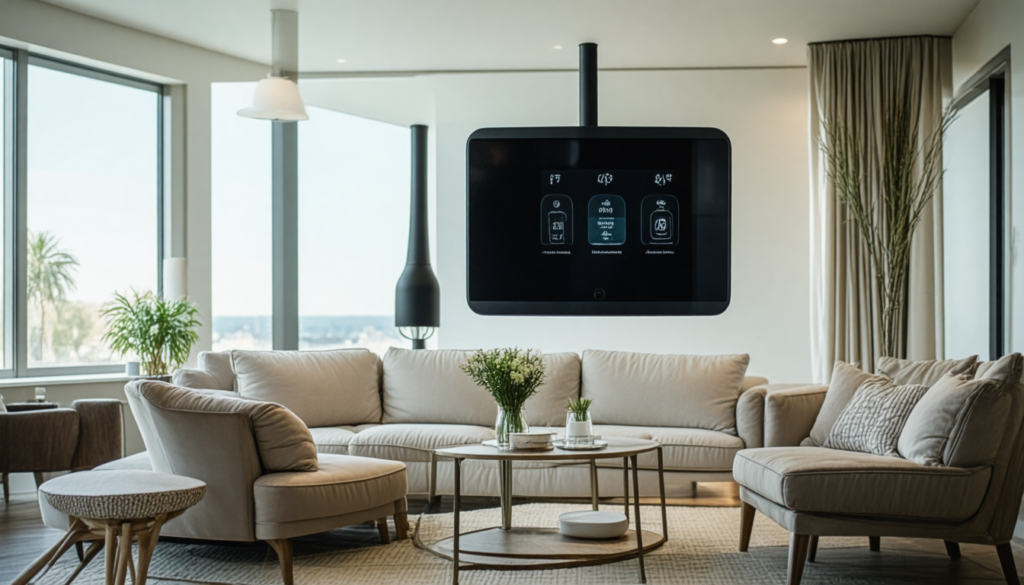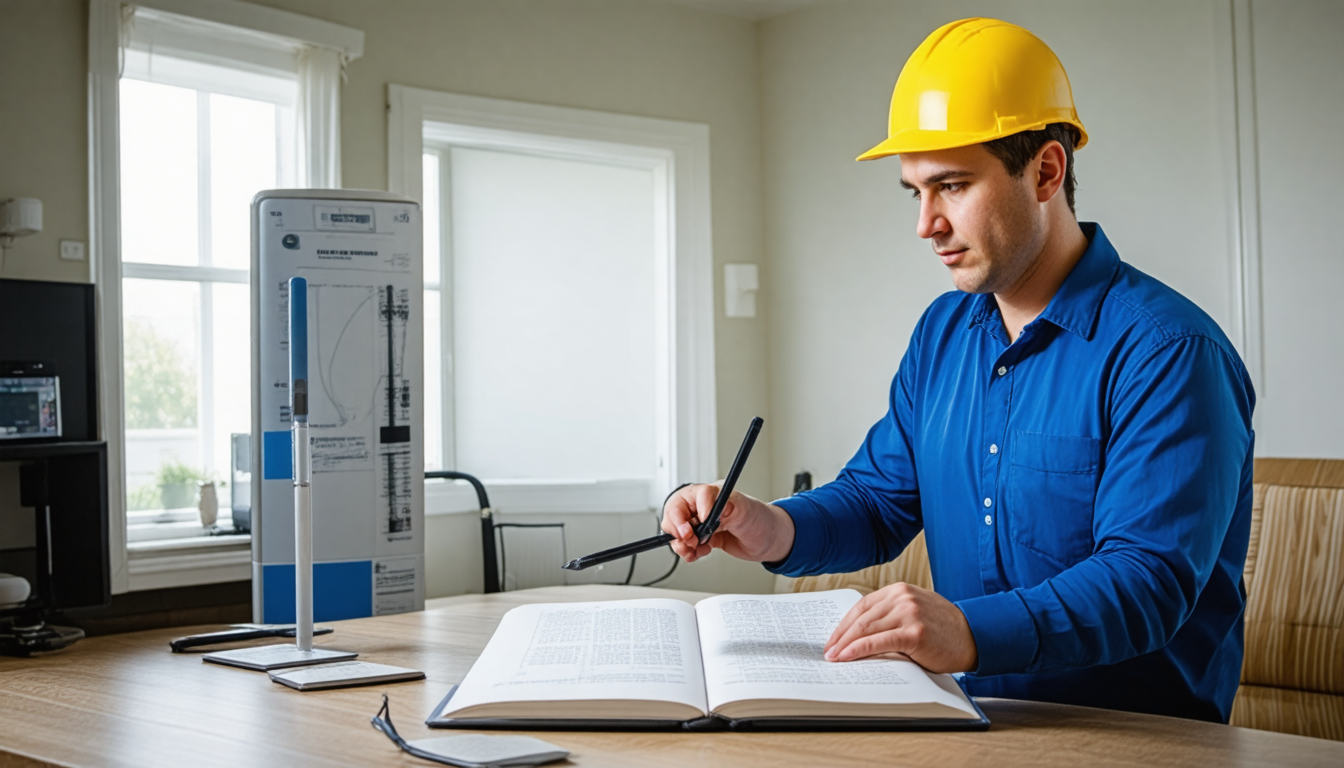
In today’s environmentally conscious world, the efficiency of home energy usage is more crucial than ever. With rising energy costs and increased awareness of environmental impact, homeowners are seeking ways to reduce their carbon footprint and save on utility bills. One effective strategy is conducting a home energy audit. This comprehensive evaluation identifies areas where energy is being wasted and provides recommendations for improvement. Engaging a professional home energy audit contractor can reveal hidden energy losses that might otherwise go unnoticed, leading to significant savings and increased comfort for homeowners.
Understanding Home Energy Audits
A home energy audit is a thorough examination of a home’s energy use. It evaluates the efficiency of heating, cooling, insulation, and other systems that consume energy. The primary goal is to pinpoint areas where energy is being lost and offer solutions to mitigate these losses. While some homeowners may attempt DIY audits, hiring a professional contractor ensures a more accurate and comprehensive analysis.
Why Hire a Professional Contractor?
Professional home energy audit contractors possess specialized tools and expertise that significantly enhance the audit’s accuracy. These contractors are trained to use advanced equipment such as blower doors, infrared cameras, and duct leakage testers, which provide precise data on energy loss. Moreover, they have a comprehensive understanding of building science, allowing them to identify systemic issues that might not be apparent to an untrained eye.
Key Components of a Home Energy Audit
When a professional contractor conducts an energy audit, they typically follow a systematic process to ensure a thorough evaluation. Here are the key components of a typical home energy audit:
1. Assessment of Energy Bills
The audit often begins with a review of the homeowner’s energy bills. This analysis helps the contractor understand the home’s energy consumption patterns and identify any abnormalities or spikes in usage that may indicate inefficiencies.
2. Visual Inspection
A visual inspection of the home is conducted to identify areas of concern, such as poor insulation, outdated appliances, or visible air leaks. The contractor examines the building envelope, including walls, windows, doors, and the roof, to assess the home’s thermal efficiency.
3. Blower Door Test
A blower door test is a crucial component of a home energy audit. This test involves mounting a powerful fan to an exterior door to depressurize the home. By measuring the air leakage rate, the contractor can determine how much air is escaping through cracks and gaps in the building envelope.
4. Thermographic Inspection
Using infrared cameras, a thermographic inspection reveals hidden energy losses by detecting temperature variations in the home’s surfaces. This method helps identify areas of poor insulation and thermal bridging, where heat is transferred through materials with higher conductivity.
5. Duct Leakage Testing
For homes with central heating and cooling systems, duct leakage testing is essential. Leaky ductwork can result in significant energy loss, reducing the system’s efficiency. The contractor seals the ducts and uses a pressure gauge to measure leakage, identifying areas that need sealing or repair.
6. Appliance and Lighting Evaluation
The audit includes an assessment of household appliances and lighting. The contractor checks for energy-efficient models and recommends upgrades where necessary. Switching to LED lighting and ENERGY STAR-rated appliances can greatly reduce energy consumption.
Benefits of a Home Energy Audit
Conducting a home energy audit offers numerous benefits, both financially and environmentally. By identifying and addressing hidden energy losses, homeowners can enjoy:
Reduced Energy Bills
One of the most immediate benefits of a home energy audit is the potential for reduced energy bills. By implementing the recommended changes, homeowners can significantly lower their monthly utility expenses.
Increased Comfort
Improving a home’s energy efficiency often results in enhanced comfort. Proper insulation and sealing reduce drafts and maintain a consistent indoor temperature, increasing overall comfort for occupants.
Environmental Impact
Reducing energy waste contributes to a lower carbon footprint. By using less energy, homeowners help decrease greenhouse gas emissions, contributing to a more sustainable environment.
Enhanced Home Value
Energy-efficient homes are increasingly attractive to buyers. Implementing the recommendations from a home energy audit can boost the property’s resale value, making it a wise investment for homeowners.
Selecting a Home Energy Audit Contractor
Choosing the right professional is critical to the success of a home energy audit. Here are some factors to consider when selecting a contractor:
Credentials and Certifications
Look for contractors with recognized certifications such as the Building Performance Institute (BPI) or Residential Energy Services Network (RESNET). These credentials indicate a contractor’s expertise and commitment to industry standards.
Experience and References
Experience is a valuable asset in the field of energy auditing. Ask potential contractors for references and testimonials from previous clients. A reputable contractor will have a track record of satisfied customers and successful audits.
Comprehensive Services
Choose a contractor who offers comprehensive services, from initial assessment to implementation of recommendations. A full-service contractor can guide homeowners through the entire process, ensuring a seamless experience.
Transparent Pricing
Ensure the contractor provides transparent pricing with a detailed breakdown of costs. This transparency helps homeowners understand the value of the audit and avoid unexpected expenses.
Frequently Asked Questions
What is a home energy audit?
A home energy audit is a comprehensive evaluation of a home’s energy use, aiming to identify areas of energy loss and recommend improvements for efficiency.
Why should I hire a professional energy audit contractor?
Professional contractors have the expertise and tools to conduct thorough audits, providing accurate data and actionable recommendations. Their specialized knowledge ensures a more effective and reliable assessment.
How long does a home energy audit take?
The duration of a home energy audit varies depending on the size and complexity of the home, but typically, it can take anywhere from two to four hours.
Are there government incentives for home energy audits?
Yes, many governments offer incentives and rebates for energy efficiency improvements, including home energy audits. Check with local energy programs for available options.
How often should I conduct a home energy audit?
It’s advisable to conduct a home energy audit every few years or when significant changes occur in your home’s energy consumption, such as after major renovations or the installation of new HVAC systems.
Conclusion
Conducting a home energy audit with the help of a professional contractor is a strategic step towards optimizing energy efficiency, reducing utility costs, and minimizing environmental impact. By identifying hidden energy losses and implementing recommended improvements, homeowners can enjoy a more comfortable living environment and contribute to a sustainable future. Investing in a home energy audit is not just a financial decision; it’s a commitment to a greener, more efficient way of living.