Renovating older homes can be a rewarding endeavor, unveiling the charm of a bygone era while updating living spaces for modern needs. However, one significant challenge looms over such projects—lead paint. Commonly used in homes built before 1978, lead paint poses serious health risks, particularly to children and pregnant women. As we navigate 2026, it’s crucial to handle this issue with precision and care, ensuring safe environments for all inhabitants.
Imagine purchasing your dream Victorian home, complete with intricate moldings and a history that tells a thousand tales. As you begin restoration, the excitement quickly diminishes upon discovering lead paint. This scenario reflects a common dilemma faced by homeowners today. The anxiety about potential health hazards is real, but so is the relief that comes from knowing solutions exist.
You’re not alone in this. Many homeowners share your concerns, and fortunately, professional lead paint removal contractors are equipped with the expertise and tools necessary to tackle this problem effectively. This article will guide you through understanding the challenges, identifying the root causes, and implementing actionable solutions with the help of professionals. Let’s explore how to ensure safe renovations in older homes, maintaining their historical essence while safeguarding health.
Why This Problem Happens / Why This Topic Matters
- Historical Use of Lead Paint: Widely used due to its durability and moisture resistance.
- Health Risks: Lead exposure can lead to severe health issues, including neurological damage.
- Regulatory Changes: Strict regulations now govern lead paint handling, requiring specialized skills.
- Aging Infrastructure: Many homes still contain layers of old paint that can degrade over time.
- Increased Awareness: More homeowners are now aware of the risks, prompting safer renovation practices.
Understanding these factors is crucial. Lead paint removal is not just about aesthetics; it’s about protecting your health and complying with modern safety standards.
Step-by-Step Core Guide / Main Solutions
Understanding Lead Paint Regulations
Before embarking on a renovation, familiarize yourself with local regulations surrounding lead paint. Most regions require contractors to be certified in lead-safe practices. This ensures they follow protocols that minimize health risks.
Hiring a Certified Lead Paint Removal Contractor
Select a contractor with specific certification in lead paint removal. Verify their credentials and experience with similar projects. This guarantees adherence to safety standards and efficiency in execution.
Conducting a Lead Paint Inspection
A thorough inspection will identify areas where lead paint is present. Use certified professionals equipped with the latest detection tools to ensure accurate results.
Establishing a Containment Plan
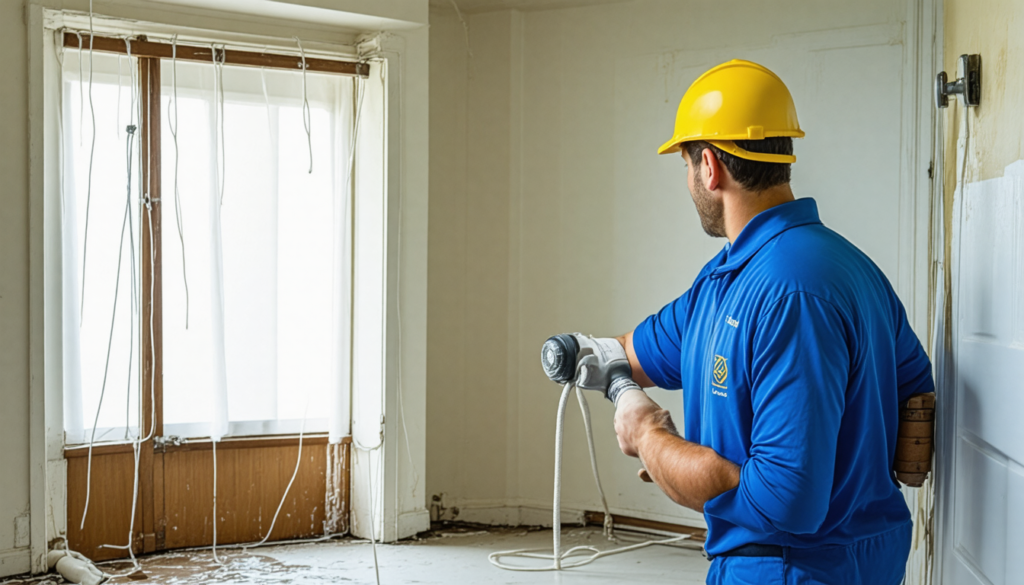
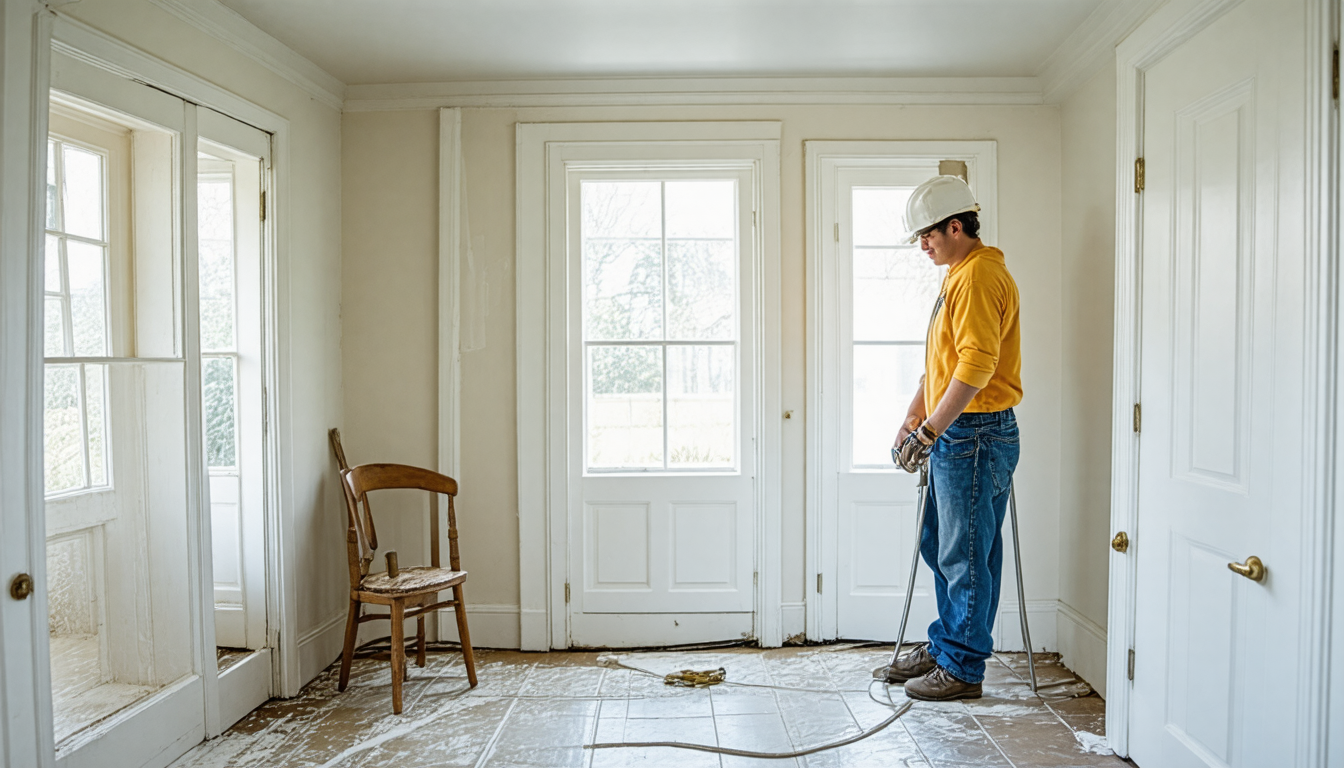
Containment prevents lead dust from spreading. Contractors should seal off work areas using heavy-duty plastic sheeting and establish decontamination zones. This keeps your home’s living spaces safe during renovations.
Safe Removal Techniques
Professionals employ various methods such as wet sanding or chemical stripping to safely remove lead paint. These techniques minimize dust and potential exposure, protecting both workers and residents.
Proper Disposal of Lead Waste
Lead waste must be disposed of according to environmental regulations. Contractors should ensure all debris is safely bagged and transported to approved disposal sites.
Testing After Removal
Post-removal testing is essential to confirm that no lead paint residues remain. This step involves surface sampling and air testing to ensure a lead-free environment.
Restoration and Repainting
Once all lead paint is removed, repaint with lead-free, eco-friendly paints. Opt for paints with low volatile organic compounds (VOCs) to further enhance indoor air quality.
Regular Maintenance Checks
Schedule periodic inspections to ensure no lead remains and the new paint is intact, preventing future exposure risks.
Pro Tip: Engage with your contractor to develop a customized maintenance plan that aligns with your home’s specific needs and renovation timeline.
Advanced Optimization / Expert Tips
- Use of HEPA Filters: Ensure contractors use HEPA-filtered vacuums during cleanup to capture fine lead particles.
- Advanced Detection Tools: Opt for services that use X-ray fluorescence (XRF) analyzers for precise lead detection.
- Green Certification: Choose contractors committed to sustainable practices and green certifications for safer and eco-friendly renovations.
Long-Term Maintenance / Best Practices
- Regular Inspections: Conduct annual checks for paint integrity.
- Educate Occupants: Raise awareness among family members about lead risks.
- Prompt Repairs: Address any peeling or chipping paint immediately.
- Professional Cleanings: Schedule professional cleanings using lead-safe methods.
- Maintain Documentation: Keep records of all inspections and renovations for future reference.
Frequently Asked Questions
What is lead paint, and why was it used?
Lead paint contains lead compounds that enhance durability and resistance to moisture. It was widely used until health risks were acknowledged.
How can I tell if my home contains lead paint?
Homes built before 1978 are likely candidates. A professional inspection can confirm the presence of lead paint.
Can I remove lead paint myself?
DIY removal is not recommended due to health risks. Certified contractors have the skills and tools to safely handle lead paint.
How long does lead paint removal take?
The duration depends on the home’s size and the extent of contamination. Contractors can provide a detailed timeline after inspection.
Are there any health symptoms I should watch for?
Symptoms of lead exposure include fatigue, headaches, and irritability. Children may show developmental delays or learning difficulties.
Conclusion
Navigating lead paint removal in older homes is pivotal for ensuring safe living environments. By enlisting certified professionals, adhering to regulations, and following strategic steps, you can preserve your home’s charm while safeguarding your health. Embrace these practices to enjoy a future-proof home, free from the worries of lead exposure. Regular maintenance and proactive measures will ensure your renovations stand the test of time, providing peace of mind for years to come.