When it comes to home and business safety, few elements are as critical as a properly installed gas line. A skilled gas line contractor plays a pivotal role in ensuring that these installations are safe, efficient, and compliant with regulations. Whether you are planning to install a new gas line or need to repair an existing one, understanding the importance of hiring a qualified contractor can make all the difference.
In this article, we’ll explore the various facets of gas line installation, the qualifications necessary for a gas line contractor, and tips for choosing the right professional for your needs.
Understanding Gas Line Installation
What is a Gas Line?
A gas line is a piping system that transports natural gas or propane from the central supply source to your home or business. This gas is used for heating, cooking, and sometimes even powering appliances. Given the flammable nature of gas, improper installation can lead to dangerous situations, including gas leaks, fires, and explosions. This is why enlisting the expertise of a qualified gas line contractor is crucial for safety and compliance with local codes.
Types of Gas Lines
Gas lines can be broadly categorized into two types:
-
Indoor Gas Lines: Installed within residential or commercial infrastructures, these lines connect to appliances such as stoves, furnaces, and water heaters.
-
Outdoor Gas Lines: Used primarily for outdoor appliances like grills, fire pits, or pool heaters. These may be buried underground or installed along walls.
Understanding the differences can help you in discussions with your gas line contractor, ensuring that you receive the tailored advice and services necessary for your particular project.
Why You Need a Gas Line Contractor
Expertise and Safety
The importance of hiring a qualified gas line contractor cannot be overstated. These professionals are trained to:
- Install gas lines correctly: Competence in laying out gas lines ensures that your system is safe and efficient.
- Conduct thorough inspections: Detecting potential hazards before they become problems is a fundamental part of the contractor’s role.
- Ensure compliance with local codes: Each region has specific building codes and regulations regarding gas line installation. A good contractor is well-versed in these requirements.
Preventing Hazards
Fires, explosions, and carbon monoxide poisoning are significant risks associated with faulty gas line installations. Statistics reveal that a large percentage of residential fires are caused by improper gas line setups. A gas line contractor provides peace of mind by reducing these risks through proper installation, regular maintenance, and timely repairs.
Qualities to Look for in a Gas Line Contractor
Certifications and Licenses
Choose a gas line contractor who is licensed and certified in your state. Licensing varies by region, and it is essential to verify that potential contractors meet local requirements. Certifications from recognized organizations can further indicate a contractor’s competency in gas line installations.
Experience and Reputation
Look for contractors with a solid track record and years of experience in gas line installations. Online reviews, testimonials, and case studies can provide insight into a contractor’s reliability and service quality. Ask for references and check past projects to gauge their expertise.
Insurance and Warranty
A reputable gas line contractor should carry liability insurance and workers’ compensation. This protects you from any liability related to accidents that might occur on your property. Additionally, warranties on the installation work provide an added layer of security.
The Installation Process
Initial Assessment
The initial consultation with a gas line contractor often involves a thorough evaluation of the site. This includes checking for existing plumbing, identifying the best location for gas lines, and understanding your specific requirements.
Planning and Design
Based on the assessment, the contractor will create a detailed plan outlining the installation procedure. This plan should include:
- The type of piping materials to be used (e.g., stainless steel, polyethylene).
- The expected time frame for installation.
- A clear breakdown of costs.
Installation
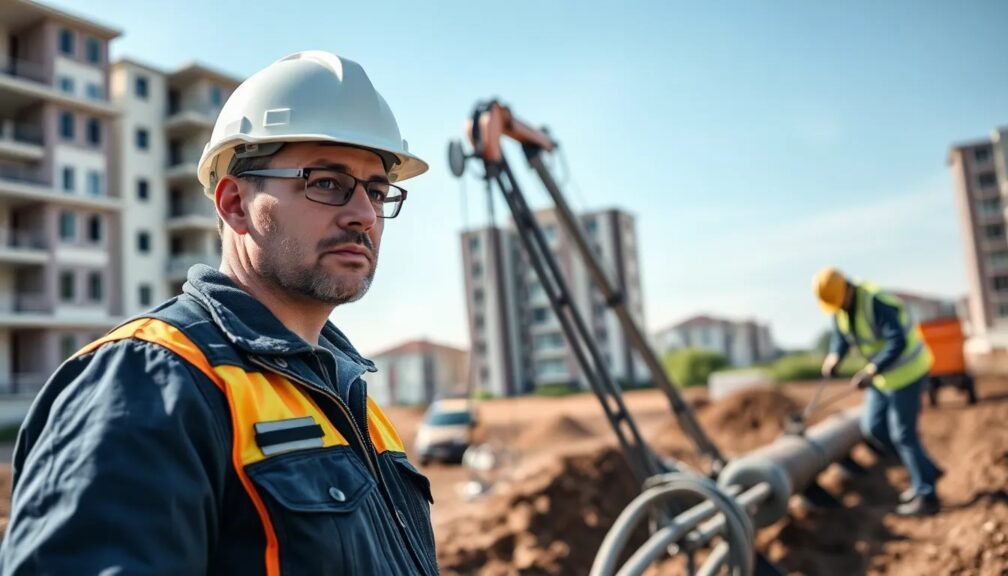
The actual installation involves trenching, laying pipes, connecting appliances, and ensuring the secure and leak-free operation of the gas line. Safety protocols and industry best practices must be followed to mitigate risks during this phase.
Post-Installation Inspection
Once the installation is complete, the contractor should perform a series of tests to check for leaks, pressure issues, and overall performance. A final inspection ensures every aspect is compliant with local codes before the system goes live.
Maintenance and Repair
Regular Inspections
After a gas line installation, it’s crucial to schedule regular inspections with your gas line contractor. Regular maintenance checks can help identify potential issues, ensuring that the system remains safe and efficient.
Prompt Repairs
If you suspect a gas leak or any issue with your gas line, contact your contractor immediately. Signs of gas leaks include:
- A strong smell of gas (often described as similar to rotten eggs)
- Hissing sounds near the gas line
- Dead vegetation around the pipe area
Prompt action can prevent dangerous situations and save you from costly repairs.
Conclusion: Taking Action for Safety
In summary, hiring a professional gas line contractor is not just about fulfilling a need; it’s about ensuring the safety of your environment. With the correct installation, regular maintenance, and prompt repairs, you can enjoy the benefits of gas appliances without the associated risks.
Actionable Insights:
-
Research Local Contractors: Take the time to read reviews, check ratings, and ask for referrals to find a reputable gas line contractor in your area.
-
Understand Your Needs: Before meeting with a contractor, have a clear idea of what you want, including new installs or repairs.
-
Ask Questions: Inquire about the contractor’s experience, licensing, insurance, and warranties to ensure they are the right fit for the job.
-
Schedule Regular Maintenance: Establish a maintenance schedule once your gas line is installed to prevent future problems.
Remember that your safety is paramount, and investing in a quality gas line contractor can provide both peace of mind and long-term benefits. Your home or business deserves the best—don’t cut corners when it comes to gas line installations.