Renovating your home is an exciting venture, filled with the promise of refreshing aesthetics and improved functionality. However, beneath the surface of your walls and floors, an invisible threat may linger—one that poses significant health risks. Asbestos, a mineral fiber once popular for its insulation and fire-resistant properties, is still present in many older homes. In 2026, the importance of securing a qualified asbestos abatement contractor has never been more critical to ensure the safety of your family during renovation projects.
The potential dangers of asbestos exposure are well-documented, with links to severe respiratory conditions and cancers. Imagine starting a renovation project, only to discover that asbestos is present. The anxiety and fear that follow can be overwhelming. Many homeowners face this predicament, unsure of how to proceed without compromising their family’s health. Fortunately, hiring a professional asbestos abatement contractor provides a comprehensive solution, offering peace of mind and safeguarding your loved ones.
In this article, we’ll delve into the reasons why this issue persists, despite increased awareness and regulation. We’ll guide you through a detailed, step-by-step process to effectively address asbestos concerns during your renovation. With actionable insights and expert tips, you’ll be equipped to make informed decisions, ensuring your home remains a safe haven in 2026 and beyond.
Why This Problem Happens / Why This Topic Matters
- Aging Infrastructure: Many homes built before the 1980s still contain asbestos in various materials such as insulation, flooring, and roofing.
- Renovation Boom: In 2026, the trend of refurbishing older properties is growing, leading to increased encounters with asbestos.
- Lack of Awareness: Despite awareness campaigns, some homeowners remain unaware of asbestos presence until it’s disturbed.
- Regulation Gaps: While regulations exist, enforcement and compliance can be inconsistent, leaving room for exposure risks.
- Health Implications: Asbestos exposure is a major health concern, linked to conditions like mesothelioma and asbestosis, making proactive management crucial.
Step-by-Step Core Guide / Main Solutions
Identify Potential Asbestos-Containing Materials (ACMs)
Before any renovation, conduct a thorough inspection of your home. Focus on materials like insulation, floor tiles, and roofing.
Why It Works: Early identification prevents accidental exposure during construction work.
Pro Tip: Hire a certified asbestos inspector to ensure no potential ACMs are overlooked.
Hire a Certified Asbestos Abatement Contractor
Engage a professional with experience and certification in asbestos removal to handle the abatement process.
Why It Works: Experts use safe removal techniques, reducing health risks significantly.
Pro Tip: Verify the contractor’s credentials and previous client reviews for quality assurance.
Develop a Comprehensive Abatement Plan
The contractor should provide a detailed plan outlining the abatement process, timelines, and safety measures.
Why It Works: A structured plan ensures all safety protocols are followed, minimizing exposure.
Pro Tip: Inquire about the disposal process to ensure it complies with environmental regulations.
Seal Off Affected Areas
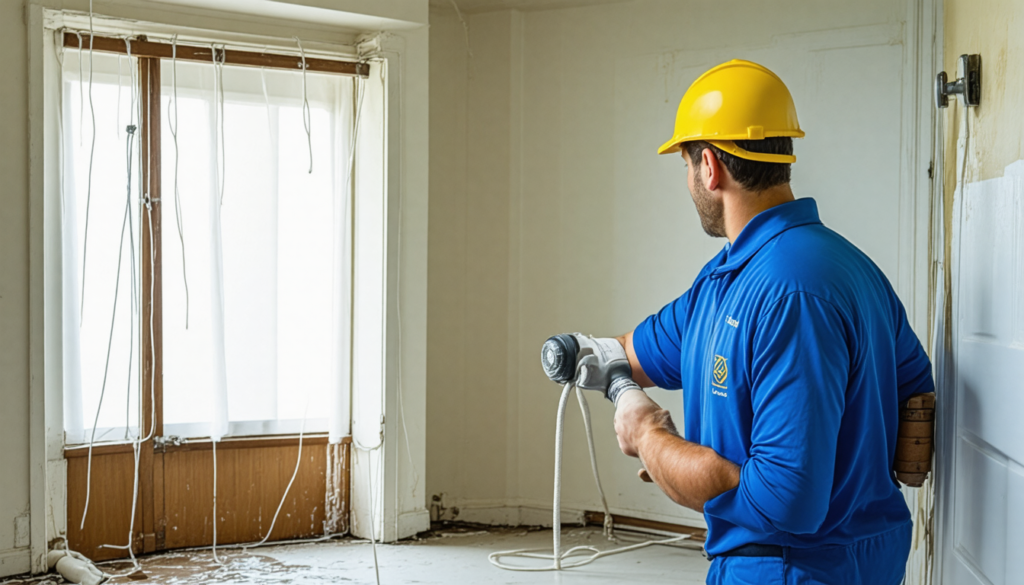
During abatement, isolate the work area with plastic sheeting and negative air pressure systems.
Why It Works: Containment prevents asbestos fibers from spreading to clean areas.
Pro Tip: Temporary relocation during this phase can further protect your family from exposure.
Use Proper Protective Equipment
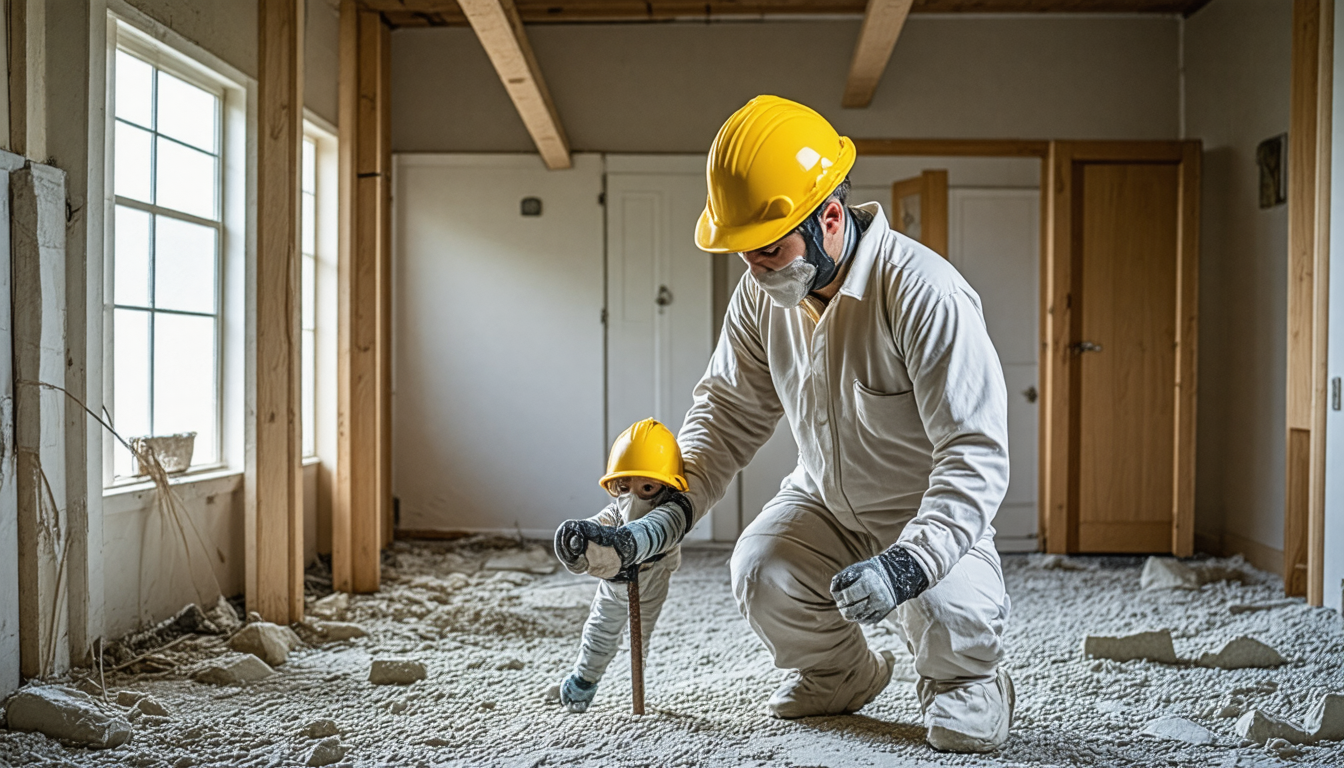
Ensure all workers wear appropriate PPE, including respirators, gloves, and disposable suits.
Why It Works: PPE provides a barrier against inhaling or coming into contact with asbestos fibers.
Pro Tip: Confirm that all equipment meets current safety standards for asbestos handling.
Conduct Air Quality Monitoring
Throughout the abatement process, monitor air quality to detect any airborne asbestos fibers.
Why It Works: Continuous monitoring allows for immediate action if fiber levels exceed safe limits.
Pro Tip: Request a final air clearance test to certify that the area is safe post-abatement.
Implement Post-Abatement Cleaning
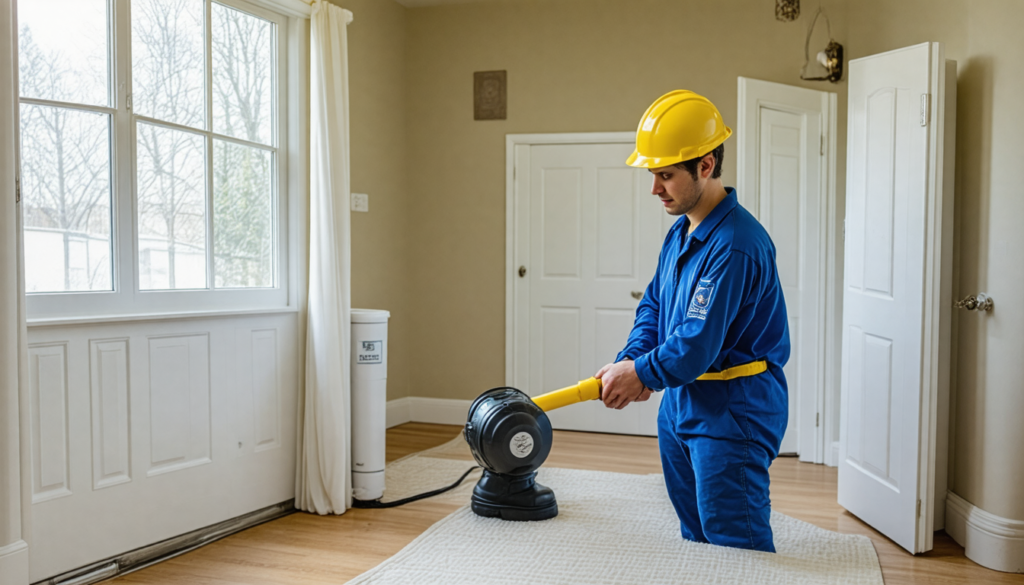
After removal, a thorough cleaning of the area with HEPA vacuums and damp cloths is necessary.
Why It Works: This step ensures no residual fibers remain, reducing future exposure risks.
Pro Tip: Opt for professional cleaning services that specialize in asbestos post-abatement.
Regular Inspections and Maintenance
Schedule regular inspections of your home to prevent future asbestos issues.
Why It Works: Ongoing vigilance ensures any new asbestos risks are identified early.
Pro Tip: Keep records of all inspections and abatement work for future reference.
Advanced Optimization / Expert Tips
- Engage in Continuous Education: Stay updated on new asbestos regulations and technologies in abatement for proactive risk management.
- Invest in Smart Home Monitoring: Use advanced sensors to detect air quality changes, providing real-time alerts for potential asbestos exposure.
- Adopt Green Renovation Practices: Incorporate eco-friendly materials and techniques that are less likely to contain asbestos, promoting a healthier home environment.
Long-Term Maintenance / Best Practices
- Schedule annual professional inspections.
- Maintain updated records of all renovations and abatement work.
- Educate family members about asbestos risks and safety practices.
- Regularly check and replace HVAC filters to reduce airborne fibers.
- Stay informed about local and national asbestos regulations.
Frequently Asked Questions
Is asbestos still used in construction materials today?
While most developed countries have banned asbestos use, it can still be found in older materials. Always verify with manufacturers and contractors.
How do I know if my home contains asbestos?
Homes built before 1980 are more likely to contain asbestos. An inspection by a certified professional is the best way to assess the presence of asbestos.
Can I remove asbestos myself?
DIY asbestos removal is highly discouraged due to health risks and legal regulations. Always hire a certified professional for safe abatement.
What are the health risks associated with asbestos exposure?
Asbestos exposure can lead to serious diseases such as lung cancer, mesothelioma, and asbestosis, often developing years after exposure.
How much does asbestos abatement cost?
The cost varies depending on the extent of contamination and the size of the area. On average, homeowners might expect to pay between $1,500 and $3,000 for professional abatement.
Conclusion
Ensuring the safety of your home during renovation projects requires a proactive approach to asbestos management. By following these steps and staying informed, you’ll protect your family from the hidden dangers of asbestos, ensuring your home remains a safe and healthy environment. As we move forward in 2026 and beyond, continuous vigilance and adherence to best practices will keep asbestos risks at bay, allowing your renovation dreams to flourish without compromise.