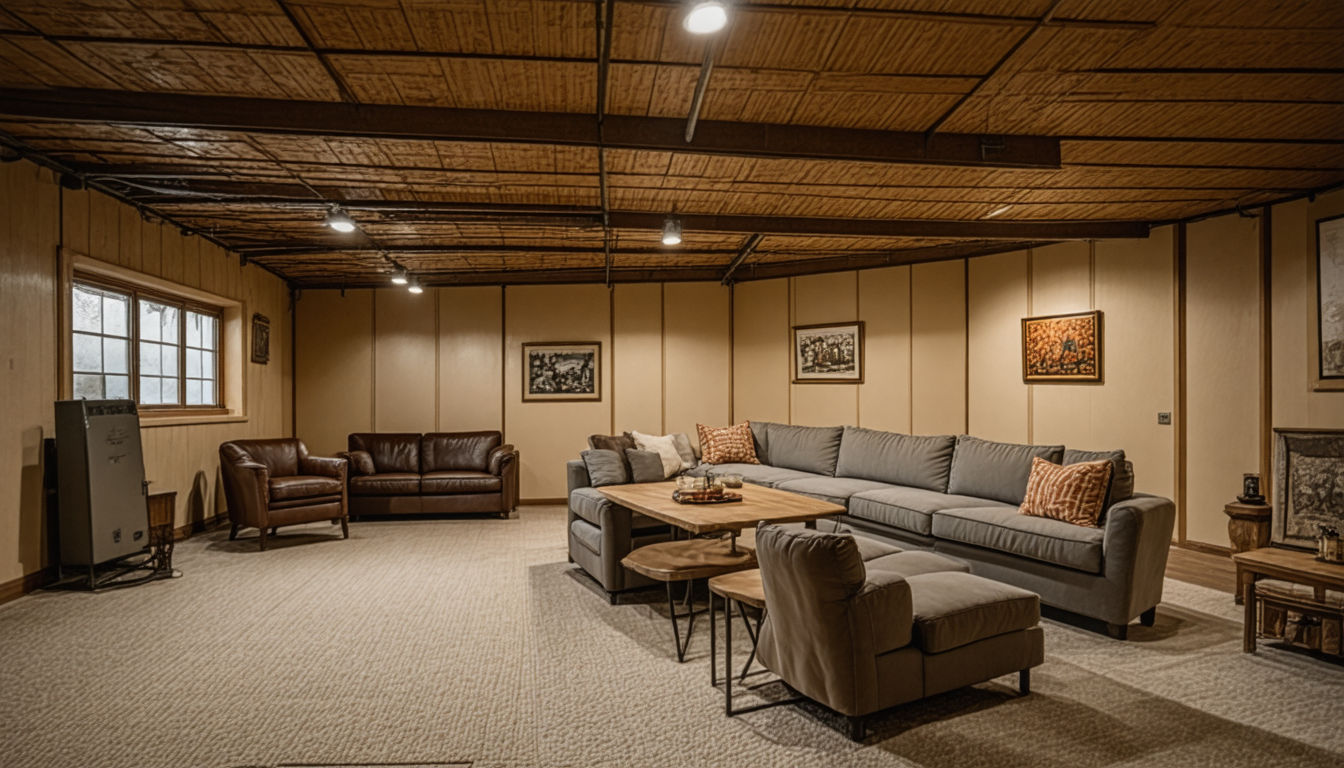
In the bustling pace of 2026, homeowners are increasingly looking to maximize every square foot of their living space. With real estate prices at an all-time high and the demand for larger homes rising, many are turning their attention to the untapped potential beneath their feet: the basement. However, transforming an unfinished basement into a functional living area can be daunting. The challenges range from moisture issues and inadequate lighting to complex plumbing and electrical work. This article offers a comprehensive guide to navigating these hurdles with the help of a professional basement finishing contractor.
Imagine a cozy family room, a state-of-the-art home theater, or even a guest suite with all amenities—right in your basement. The possibilities are endless, yet the path to achieving this vision can be fraught with obstacles. Basements often suffer from poor ventilation and are prone to dampness, making them less than ideal for immediate conversion. Moreover, the technicalities of plumbing, electrical systems, and structural changes can overwhelm even the most enthusiastic DIYer.
But fear not! With proper planning and the right professional guidance, you can transform your basement into a vibrant, functional space. This guide will provide you with actionable, step-by-step solutions to ensure your basement renovation is both successful and sustainable. From selecting the right contractor to understanding the latest design trends, we’ll equip you with the knowledge needed to make informed decisions.
By 2026, advancements in construction materials and techniques have made it easier than ever to convert basements into liveable areas. With this guide, you’ll be well-prepared to tackle the project with confidence, ensuring your basement becomes a valuable extension of your home.
Why This Problem Happens / Why This Topic Matters
- High Real Estate Costs: Rising home prices make expanding current living space more attractive than relocating.
- Underutilized Space: Many homes have basements that remain unfinished and serve only as storage, wasting valuable square footage.
- Complex Renovation Needs: Basements require specific considerations for moisture control, ventilation, and safe electrical installations.
- Modern Lifestyle Demands: With remote work trends and growing families, the need for additional functional space is pressing.
- Increased Home Value: Finished basements significantly boost property value, making them an appealing investment.
Step-by-Step Core Guide / Main Solutions
Assess Your Basement’s Potential
Start by evaluating your basement for structural integrity, moisture levels, and overall space. This step is crucial to determine the feasibility of your project.
Why it works: A thorough assessment helps identify potential issues that could derail your project later.
Pro Tip: Use a moisture meter to check for dampness and consult a structural engineer if you notice any foundation cracks.
Define the Purpose
Decide how you want the space to function—whether as an entertainment area, an extra bedroom, or a home office.
Why it works: Having a clear purpose will guide design decisions and ensure the space meets your needs.
Pro Tip: Consider flexible designs that allow the space to serve multiple purposes over time.
Hire a Professional Contractor
Choose a contractor with specific experience in basement finishing. Verify their credentials, check references, and review past projects.
Why it works: Experienced contractors understand the unique challenges of basement renovations and can provide tailored solutions.
Pro Tip: Look for contractors who offer a comprehensive plan, including design, construction, and finishing touches.
Plan for Moisture Control
Implement solutions like sump pumps, drainage systems, and waterproofing membranes to prevent moisture issues.
Why it works: Effective moisture control protects your investment and ensures long-term comfort.
Pro Tip: Pair moisture control with a dehumidifier to maintain optimal humidity levels year-round.
Optimize Lighting and Ventilation
Install adequate lighting and ventilation systems to compensate for the natural light and airflow basements typically lack.
Why it works: Good lighting and ventilation enhance the space’s livability and comfort.
Pro Tip: Use LED lighting for energy efficiency and consider adding egress windows for natural light and emergency exits.
Address Plumbing and Electrical Needs
Ensure that all plumbing and electrical installations are up to code and suited to your basement’s new purpose.
Why it works: Proper installations prevent future issues and enhance safety.
Pro Tip: Plan electrical outlets and plumbing fixtures in advance to avoid costly changes later.
Select Appropriate Finishes
Choose materials that are durable and moisture-resistant, such as vinyl flooring and mold-resistant drywall.
Why it works: These materials offer longevity and low maintenance, essential for basement environments.
Pro Tip: Opt for light-colored finishes to brighten the space.
Incorporate Smart Home Technology
Integrate smart home systems to control lighting, temperature, and security easily.
Why it works: Smart technology enhances convenience and can be tailored to various needs.
Pro Tip: Install a smart thermostat to manage energy use efficiently.
Plan for Storage Solutions
Design built-in storage to maximize space usage and keep the area clutter-free.
Why it works: Efficient storage solutions maintain the room’s functionality and appearance.
Pro Tip: Use vertical storage options to utilize wall space effectively.
Prepare for Future Modifications
Design the space with flexibility in mind, allowing for easy modifications as your needs change.
Why it works: A versatile design extends the usability of the space over time.
Pro Tip: Use modular furniture that can adapt to different configurations.
Advanced Optimization / Expert Tips
- Soundproofing: Add soundproofing materials to floors and walls to create a quieter, more private space.
- Energy Efficiency: Insulate walls and install energy-efficient windows to minimize energy costs.
- Zoning: Consider zoning systems for heating and cooling to manage the basement’s climate independently from the rest of the house.
Long-Term Maintenance / Best Practices
- Regularly inspect for moisture and leaks.
- Maintain your HVAC system for optimal performance.
- Update the basement’s decor to keep it fresh and inviting.
- Periodically review safety systems like smoke and carbon monoxide detectors.
- Check and replace filters for air quality maintenance.
Frequently Asked Questions
What are the top benefits of finishing a basement?
Finishing a basement increases living space, boosts property value, and offers a versatile area that can adapt to various needs.
How long does a basement renovation typically take?
A typical basement renovation can take anywhere from 6 to 12 weeks, depending on the complexity of the project and any unforeseen issues.
What is the average cost to finish a basement?
As of 2026, the cost ranges from $30,000 to $70,000, varying based on size, materials, and labor.
Can I finish my basement myself?
While DIY is possible, hiring a professional is recommended for complex work like plumbing and electrical to ensure safety and code compliance.
How do I choose the right contractor for my basement project?
Research contractors thoroughly, checking credentials, reviews, and past projects. Request detailed estimates and ensure they have experience with basement renovations.
Conclusion
Transforming your basement into a functional living area not only enhances your home’s usability but also significantly increases its value. By following this guide, you can navigate the challenges of basement renovation with confidence, ensuring your project is successful and meets your long-term needs. Embrace the potential of your home and take the first step towards creating a space that reflects your lifestyle and aspirations.