
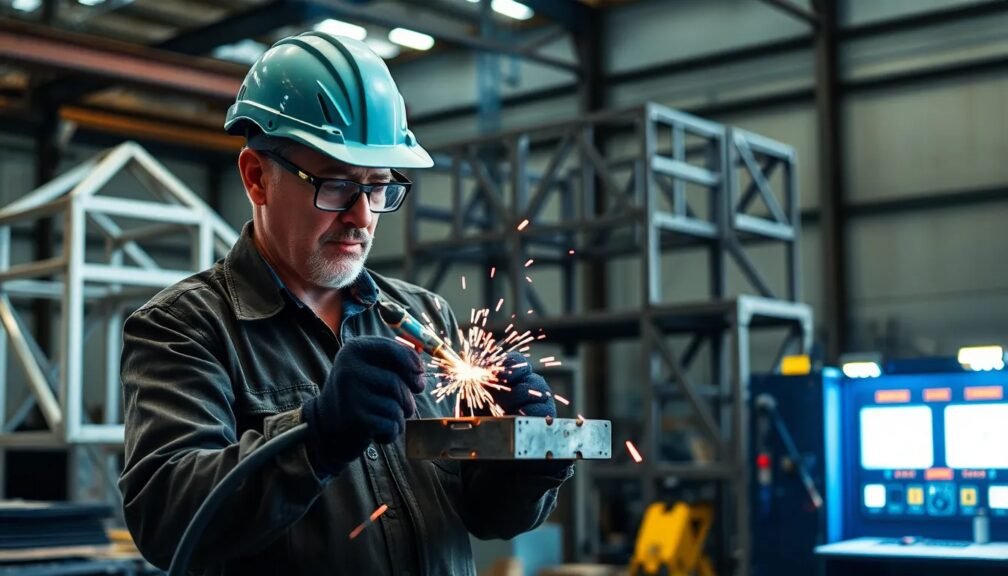
In the world of construction and manufacturing, the role of a welding contractor is crucial. Whether you’re building a new infrastructure project, repairing existing structures, or fabricating metal components, a skilled welding contractor can make or break your project. With the right expertise, tools, and mindset, these professionals ensure that your welding projects are completed efficiently, safely, and to the highest standards. In this article, we will explore essential tips for hiring a welding contractor to achieve project success.
Understanding the Role of a Welding Contractor
Before diving into the hiring process, it’s important to understand what a welding contractor does. A welding contractor is a skilled tradesperson who specializes in joining metal components through various welding techniques. Their expertise encompasses a range of services, including:
- Metal Fabrication: Cutting, shaping, and assembling metal parts.
- Repair Services: Fixing damaged structures or components.
- Custom Welding: Producing tailored metal products to meet specific client needs.
By hiring a reliable and experienced welding contractor, you can ensure that your project runs smoothly from inception to completion.
Tips for Selecting the Right Welding Contractor
1. Check Qualifications and Certifications
When choosing a welding contractor, always start by verifying their qualifications. Look for industry-standard certifications such as:
- AWS (American Welding Society) Certification: This signifies a high level of expertise.
- AWS D1.1 Certification: Specifically important for structural welding.
These certifications assure you that the contractor is up-to-date with the latest techniques and safety standards.
2. Assess Experience and Specialization
Not all welding contractors are created equal. Some may specialize in specific types of welding or industries. For example:
- MIG Welding: Suitable for projects requiring speed and efficiency.
- TIG Welding: Ideal for precision work with thin materials.
- Stick Welding: Highly versatile and good for outdoor work.
Ensure the contractor has experience relevant to your project’s needs. A specialized contractor will have the skills necessary to deliver high-quality results.
3. Review Past Projects and References
A reliable welding contractor should provide a portfolio showcasing past work. This not only demonstrates their capability but also gives insight into their style and attention to detail. Don’t hesitate to ask for references and reach out to previous clients to gauge their satisfaction. Positive reviews can be a strong indicator of a contractor’s reliability.
4. Inspect Equipment and Safety Practices
Welding is a hazardous job. Ensure that the welding contractor employs proper safety measures and uses well-maintained equipment. During site visits, look for:
- Safety Gear: Personal protective equipment (PPE) for welders.
- Equipment Quality: Well-maintained welders, tools, and safety devices.
A contractor who prioritizes safety will not only protect their workers but also minimize risks associated with your project.
5. Discuss Project Management and Communication
Effective communication is vital for any project’s success. Discuss how the welding contractor plans to manage the project, from start to finish. Consider the following:
- Regular Updates: How often will you receive updates on progress?
- Problem-Solving: How does the contractor handle unexpected challenges?
Strong communication can prevent misunderstandings and ensure a smooth workflow.
Understanding Pricing and Contracts
6. Get Detailed Quotes
Request detailed quotes from multiple welding contractors. This not only gives you a sense of the market rate but also allows for easy comparison. A good quote should include:
- Labor Costs: Hourly rates or project-based pricing.
- Material Costs: Types and quality of materials used.
- Timeline: Estimated completion date.
Be wary of quotes that seem too good to be true; they may compromise on quality or safety.
7. Read the Fine Print
Once you’ve selected a contractor, read the contract carefully before signing. Ensure it includes:
- Scope of Work: Detailed description of tasks to be completed.
- Payment Terms: Clear outline of payment schedules.
- Liabilities: Clarify who is responsible for damages or delays.
A well-structured contract protects both parties and minimizes potential disputes.
Maintaining Quality Throughout the Project
8. Ensure Quality Control
Quality control is essential for welding projects. Implement regular check-ins to ensure that the work meets the specified standards. Consider:
- Inspections: Schedule site inspections at key stages.
- Sampling: Randomly check completed welds for adherence to specifications.
These practices can help catch issues early, saving time and money in the long run.
9. Foster Collaboration
If your welding contractor is working alongside other teams (like electrical or plumbing), fostering collaboration is important. Encourage open lines of communication between contractors to streamline workflows and tackle problems efficiently.
Concluding Insights
Hiring the right welding contractor can significantly impact the quality, efficiency, and safety of your project. By following these essential tips—such as checking qualifications, assessing experience, reviewing past projects, understanding pricing, and maintaining quality control—you can mitigate risks and foster a successful outcome.
As you embark on your next project, remember that a qualified and reliable welding contractor is an investment in quality and durability. Take the time to research and select a contractor who aligns with your project goals, and watch your vision come to life with precision and excellence.
In the competitive landscape of welding services, the right contractor can elevate your project, ensuring that both aesthetics and functionality meet your highest expectations. So, whether you’re building a new structure or seeking repairs, make your choice wisely, and success will follow.


