
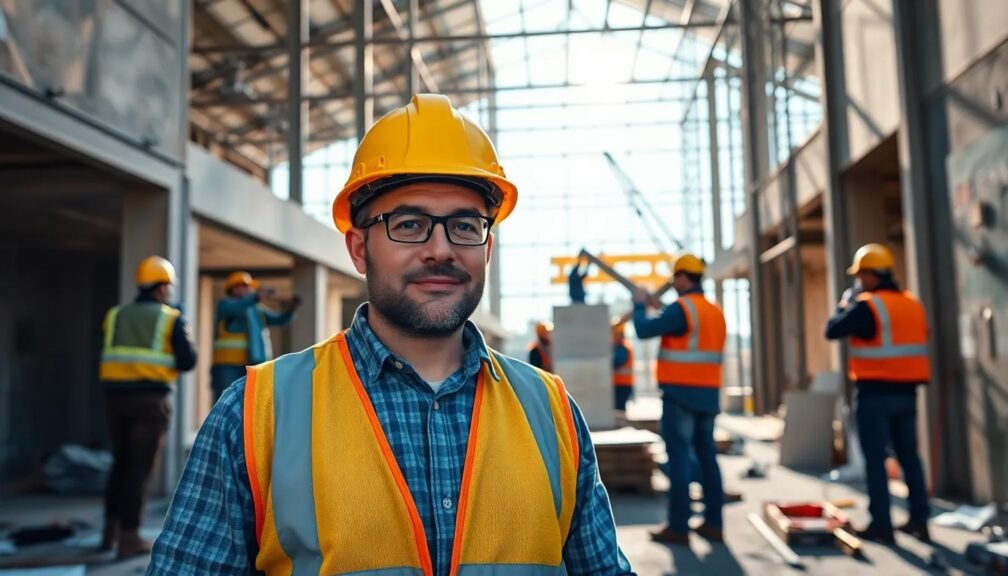
In today’s fast-paced construction landscape, efficiency is the name of the game. Whether you’re building a skyscraper, a bridge, or an industrial facility, finding the right steel contractor can make all the difference in your project’s success. Steel contractors specialize in the fabrication and installation of steel structures, playing a crucial role in modern construction. In this article, we’ll explore how partnering with an experienced steel contractor can maximize your project’s efficiency while also ensuring safety, quality, and timely delivery.
Understanding the Role of a Steel Contractor
What is a Steel Contractor?
A steel contractor is a specialized contractor responsible for the procurement, fabrication, and installation of steel components in construction projects. They handle everything from the initial design process to the final assembly of steel structures. Their expertise ensures that all steel elements meet safety standards, structural integrity, and aesthetic requirements.
Why is a Steel Contractor Important?
The importance of a steel contractor cannot be overstated. They provide the expertise needed for various facets, including:
- Design Assistance: Working with architects and engineers to create efficient designs tailored to project needs.
- Material Sourcing: Ensuring that high-quality steel is sourced, which is vital for durability and safety.
- Fabrication: Custom fabricating steel components that meet precise specifications, which streamlines the construction phase.
- Installation: Ensuring that steel elements are installed correctly and safely, adhering to building codes and standards.
Benefits of Hiring a Steel Contractor
1. Enhanced Project Efficiency
One of the most significant advantages of hiring a steel contractor is increased efficiency. Experienced contractors have established workflows that minimize downtime. They leverage technology for precise fabrication, reducing waste and expediting production timelines.
2. Cost-Effectiveness
While it may seem like an expense to hire a steel contractor, in the long run, they often save you money. Their expertise helps to minimize errors and rework, which can significantly inflate project costs. Additionally, steel contractors can help you source materials at competitive prices, enhancing overall budget adherence.
3. Safety Compliance
Working with steel presents inherent risks. A competent steel contractor is well-versed in safety regulations and best practices, ensuring that all installations are performed safely. They take necessary precautions, thus reducing the likelihood of accidents on the construction site.
4. High-Quality Standards
When you work with a specialized steel contractor, you’re likely to receive higher-quality products. Their focus on steel fabrication ensures that all materials meet stringent industry standards. The result is durable structures that can withstand both time and the elements.
5. Streamlined Communication
A dedicated steel contractor acts as a bridge between various teams involved in the project—from architects and engineers to construction teams. This clear line of communication facilitates collaboration, reduces miscommunication, and enhances overall project efficiency.
Selecting the Right Steel Contractor
1. Assess Experience and Expertise
When choosing a steel contractor, consider their experience and track record. Look for a contractor with a portfolio that aligns with your project type. Experienced contractors are better equipped to foresee challenges and respond proactively.
2. Check References and Reviews
Don’t shy away from asking for references. Speaking with past clients can give you insights into the contractor’s work quality, reliability, and ability to adhere to timelines. Online reviews can also provide valuable information, allowing you to gauge their reputation in the industry.
3. Evaluate Their Safety Record
Safety should never be compromised in construction. Investigate the contractor’s safety record—the best firms prioritize safety training and typically have systems in place for ensuring compliance with regulations.
4. Ensure Proper Licensing and Insurance
Make sure your chosen steel contractor has the necessary licenses and insurance. This not only protects you from liability but also ensures that the contractor adheres to industry standards.
5. Compare Quotes
While cost shouldn’t be the sole deciding factor, obtaining multiple quotes can help you understand market rates and make an informed decision. A detailed quote will give you insights into what’s included, enabling you to compare apples to apples.
Innovations in Steel Contracting
The construction industry is evolving, and so are the practices of steel contractors. Here are some trends enhancing project efficiency:
1. Use of Technology
From Building Information Modeling (BIM) to advanced fabrication techniques, technology is changing how steel contractors operate. These innovations allow for better project visualization, reduced waste, and a more efficient fabrication process.
2. Prefabrication and Modular Construction
The trend towards prefabrication and modular construction has gained traction in recent years. Steel components can be fabricated off-site and then quickly assembled on-site, significantly reducing construction time. This efficiency can lead to cost savings and faster project completion.
3. Sustainable Practices
An increasing number of steel contractors are adopting sustainable practices, utilizing recycled materials, and optimizing their fabrication processes to minimize waste. This not only adds value to the project but also addresses environmental concerns.
Actionable Insights for Project Managers
-
Engage Early: Involve your steel contractor from the project’s initial stages to ensure that designs are optimized for steel construction.
-
Prioritize Communication: Establish clear channels of communication amongst all parties involved to facilitate smooth operations.
-
Monitor Progress: Regularly check in with your steel contractor to ensure timelines are being met and to address any arising issues promptly.
-
Stay Informed: Keep yourself updated on industry trends and advancements in steel technologies to potentially adopt innovative practices in your project.
-
Maintain Flexibility: Sometimes, challenges arise that can impact timelines or costs. Being flexible and adaptable can help in making onsite decisions that benefit the overall project.
Conclusion
Partnering with a qualified steel contractor is essential for maximizing your project’s efficiency, safety, and quality. By understanding the role they play, and how to choose the right one, you can set your project up for success. Utilize technology, foster clear communication, and keep adaptability at the forefront of your approach. By doing so, you lay the groundwork for a smooth construction experience, ensuring that your steel contractor truly adds value to your construction endeavors. Remember, the foundation of any great structure is not just the materials, but the people who put them together. Choose wisely!


