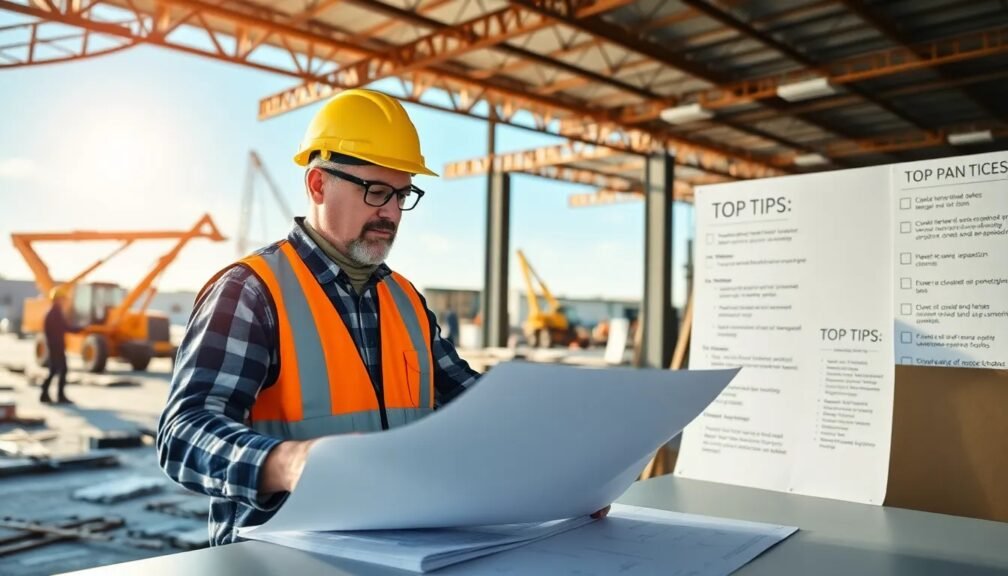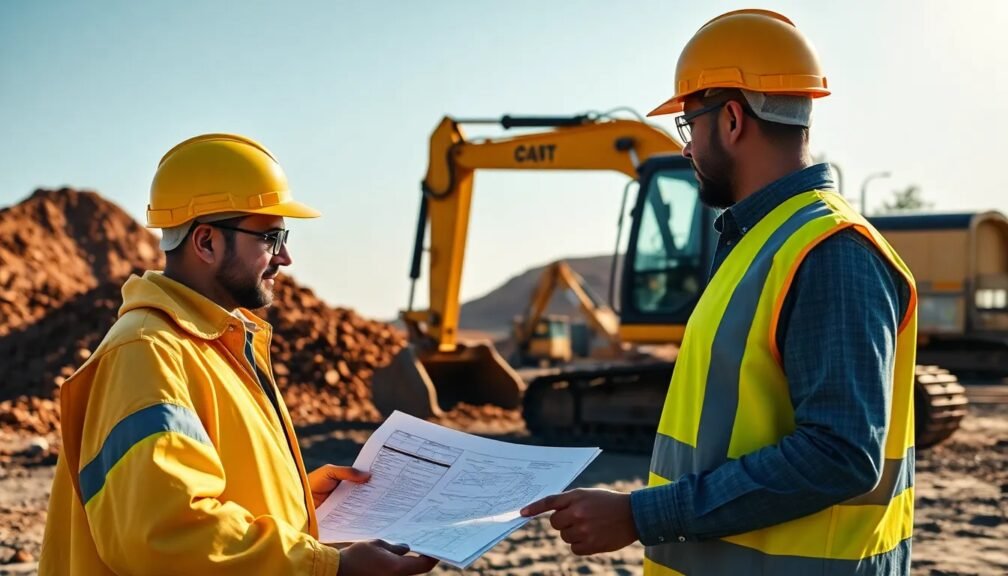
When embarking on an excavation project, whether it’s for residential landscaping, installing foundations, or preparing for commercial construction, the importance of choosing the right excavation contractor cannot be overstated. The success of your project hinges on expertise, reliability, and proper machinery. In this comprehensive guide, we will explore essential tips that will help you select the best excavation contractor for your needs and ensure the process runs smoothly.
Understanding the Role of an Excavation Contractor
An excavation contractor specializes in removing earth, rock, and other materials from a construction site. Their services can range from simple landscaping work to complex commercial site development. Understanding the scope of their work can help you communicate better and set clear expectations.
Key Responsibilities
-
Site Assessment: Evaluating the project site to identify any potential challenges, such as soil type, subsurface conditions, and environmental considerations.
-
Planning and Permitting: Assisting in obtaining necessary permits and ensuring compliance with local regulations.
-
Equipment Operation: Utilizing specialized machinery, such as bulldozers, backhoes, and excavators, to perform excavation safely and efficiently.
-
Material Handling: Managing the removal and disposal of excavated materials, ensuring environmentally responsible practices.
-
Safety Implementation: Developing and enforcing safety protocols to protect workers and the surrounding environment.
Essential Tips for Hiring an Excavation Contractor
1. Check Qualifications and Experience
When it comes to excavation, experience matters greatly. Look for contractors with a proven track record in similar projects. Verify their qualifications, licenses, and insurance. An experienced contractor will have the knowledge to navigate unexpected challenges, ensuring your project is executed flawlessly.
Tip: Ask for references to get insights into their previous work and customer satisfaction levels.
2. Evaluate Equipment and Technology
Excavation requires specialized equipment. Ask potential contractors about the type of machinery they use and the maintenance schedules for their equipment. Well-maintained machinery not only improves efficiency but also reduces the risk of accidents and delays.
Tip: Inquire whether the contractor uses modern technology, such as GPS for accurate excavation.
3. Discuss Project Timeline and Budget
Every excavation project comes with its unique timeline and budget constraints. When interviewing an excavation contractor, ask about their availability and their process for estimating costs. A well-defined budget and timeline will help prevent misunderstandings down the line.
Tip: Get multiple quotes to compare not just prices, but also timelines and work quality promised.
4. Ensure Safety Measures Are in Place
Excavation work can be hazardous if safety protocols aren’t followed. Inquire about the contractor’s safety measures, including employee training, safety gear, and emergency procedures. A responsible excavation contractor prioritizes safety, ensuring the well-being of their team and your property.
Tip: Confirm if the contractor has a safety record and understands OSHA regulations relevant to excavation work.
5. Communication is Key
Effective communication is vital for any successful project. Choose an excavation contractor who is approachable and willing to listen to your concerns and suggestions. Regular updates on project progress and any emerging issues will help you stay informed and engaged.
Tip: Establish a preferred communication method, whether via phone, email, or in person, to ensure your expectations are met.
6. Verify Insurance and Bonding
To protect yourself from potential liabilities, always verify that the excavation contractor is properly insured and bonded. This means that they have coverage in case of accidents, property damage, or other unforeseen incidents during the project.
Tip: Request a copy of their insurance certificate and bond information before you sign any contracts.
7. Look for Local Expertise
Selecting a local excavation contractor can provide numerous advantages. they may have better knowledge of local soil conditions, zoning laws, and building codes. Furthermore, local contractors are likely more invested in maintaining their reputation in the community.
Tip: Research local contractors and read online reviews to gauge their reputation and reliability.
8. Understand the Contract
A detailed contract is crucial to protecting both parties involved in the project. Ensure every aspect of the project is clearly outlined, including timelines, payment schedules, and project specifications.
Tip: Don’t hesitate to ask for clarification on any items within the contract that you don’t understand before signing.
Conclusion: Make Your Excavation Project a Success
Selecting the right excavation contractor is a key step in achieving a successful project. By doing your research, checking qualifications, and ensuring clear communication, you can mitigate risks and enhance the overall efficiency of your excavation project. Remember to prioritize safety and budget management, which are critical for staying on track.
Before you finalize your decision, consider these actionable insights:
- Gather Multiple Quotes: Ensure you’re comparing apples to apples when assessing quotes.
- Request Past Project Examples: Seeing past work can help you understand what to expect.
- Establish Clear Expectations: Lay out specific roles and responsibilities in advance.
By implementing these tips, you can approach your excavation project with confidence, paving the way for a successful outcome. Whether you need site preparation, grading, or digging, the right excavation contractor will make all the difference – ensuring your project runs smoothly and efficiently.